Venues
Why Venue Capacity Numbers Mean Three Different Things
A venue's stated capacity is not one number. Seated dining, ceremony seating and standing capacity differ substantially, and couples routinely compare the wrong ones.

Venue listings quote a capacity as if it were a single property of the building. In practice a room has several capacities, and they can differ by a wide margin.
Three different numbers, three different layouts
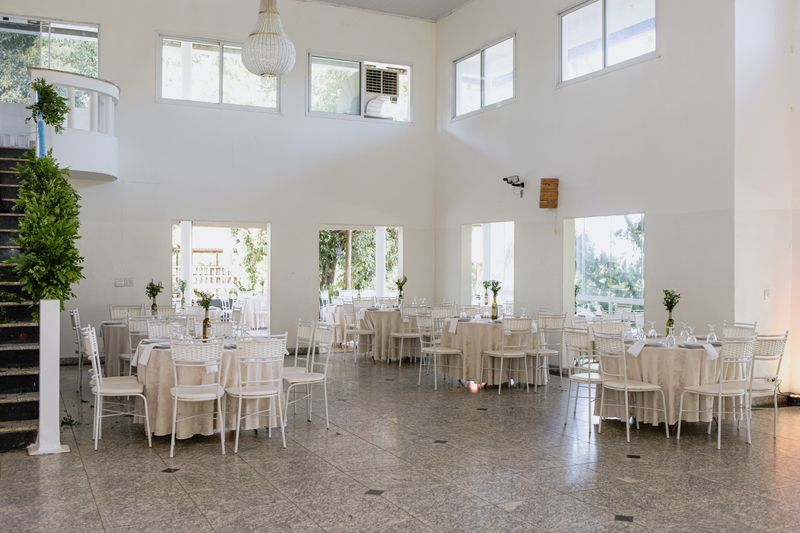
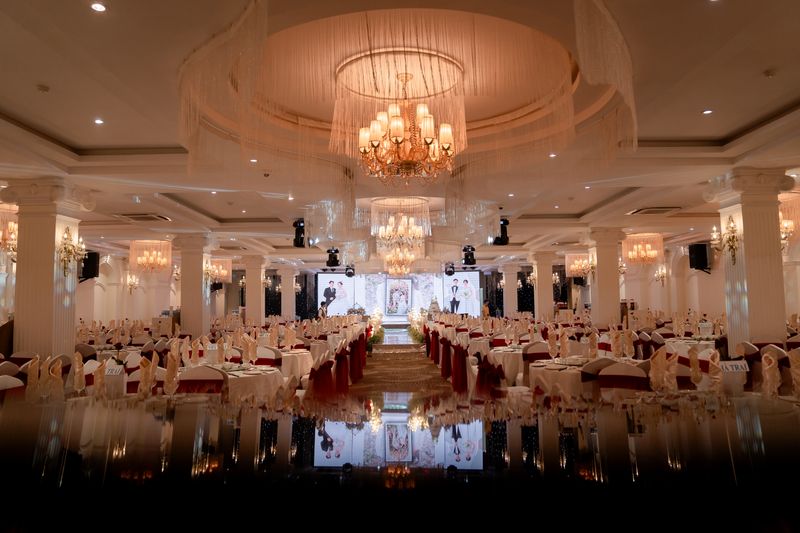
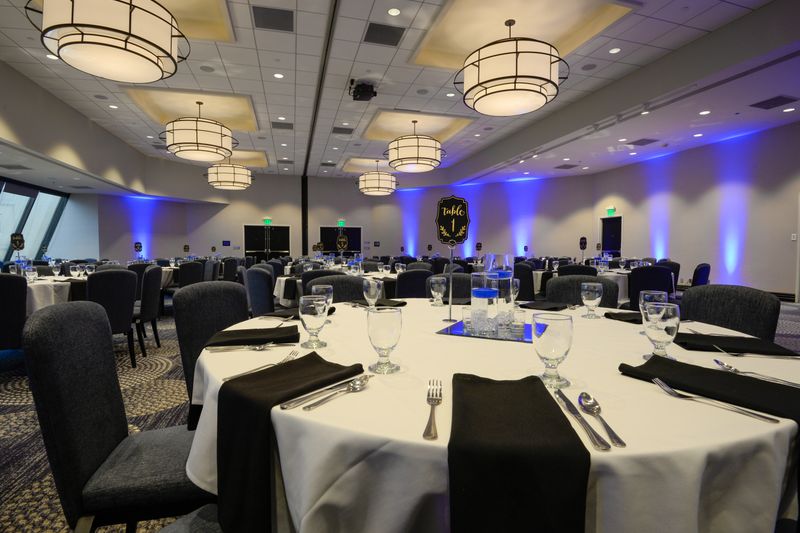
Seated dining capacity accounts for tables, chairs and the space between them, plus room for staff to serve. It is the lowest of the three.
Ceremony seating fits more people into the same room, because rows of chairs pack tighter than round tables and nobody needs serving.
Standing capacity is higher again and is often the figure used in marketing, since it produces the largest number the room can honestly claim.
Service space is invisible until it is missing
A dining room needs corridors for staff carrying plates, and those routes have to reach every table without passing behind seated guests repeatedly.
Caterers therefore have their own view of a room's capacity, and it is frequently lower than the venue's. Where the two disagree, the caterer is usually right.
The same applies to a bar, a cake table, a gift table and a DJ. Each consumes floor area that was counted in the headline number.
The dance floor comes out of the same space
In rooms that host both dining and dancing, the dance floor either occupies space during the meal or requires tables to be moved afterwards.
A turnaround takes real time and has to happen with guests somewhere else, which means the venue needs a second space for them to occupy.
If there is no second space, the room has to accommodate both at once, and the effective dining capacity drops accordingly.
Fire limits are a separate ceiling
Licensed capacity is set by exit routes and safety regulation rather than by comfort. It is a legal maximum, not a target.
It counts everyone in the building, including staff, suppliers, band members and children. Those are easy to leave out of a guest count.
A venue near its licensed limit has no tolerance for additions, which matters if the guest list moves upward late, as guest lists tend to.
Rooms feel wrong at both extremes
A room at maximum capacity is full but uncomfortable. People queue, talk over each other, and cannot move between tables easily.
A room well under capacity has the opposite problem. Empty space reads as poor attendance, even when the guest count is exactly what was intended.
Most venues have a comfortable band somewhere below the stated maximum, and asking directly what number the room actually works at gets a more useful answer than the brochure.
Questions readers ask
Is a package always more expensive?
Not once you cost everything a blank canvas requires, including hire, staffing, facilities and coordination. The comparison only works when both are fully costed.
Can we use a blank canvas venue without a coordinator?
It is possible with enough time and a reliable group of helpers, but somebody has to run the setup and the day. If that person is you, plan on being unavailable for most of your own morning.