Venues
The Questions to Ask on a Venue Visit That Nobody Puts on the List
Venues sell themselves on a room in good light. The information you actually need is about noise, access, staffing and what happens when it rains.
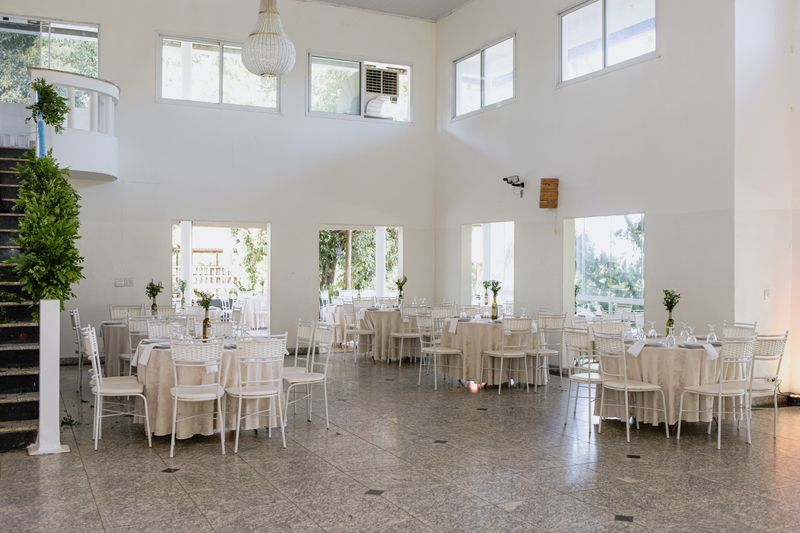
The theory of what to ask when viewing a venue is well covered elsewhere. This is about the version you meet in practice.
What holds up in practice
- Ask who will actually be running your day and whether they will still work there.
- Establish what else may be happening in the building.
- Walk the guest route rather than looking at the room.
Who will be here on the day
The person showing you round is frequently in sales rather than operations, and will not be the one managing your wedding. Ask who runs weddings on the day, how many staff will be present, and whether you will meet that person before the wedding itself.
Staff turnover between booking and wedding is normal, so ask what happens to your arrangements if your contact leaves. Find out how the handover works internally, since a venue that documents its bookings properly is a very different experience from one that does not. The answers tell you more about how your day will run than any photograph of the room.
What else is happening that day
Ask directly whether another event can be booked in the building on your date, and where it would be relative to you. Shared car parks, shared entrances and shared toilets change the day considerably even when the main spaces are separate. Find out whether the venue takes other bookings the day before or the morning after, since that determines your setup and clearing windows.
If the building is open to the public in any part, establish the times and whether guests will encounter them. Exclusive use means different things at different venues and should be defined rather than assumed.
Noise, neighbours and the end of the night
Ask about any noise limit, whether it is enforced by a device, at what level it operates and from what time. A limiter that cuts power when triggered is a very different proposition from a guideline, and bands need to know which it is. Establish the actual finish time for music, the time guests must leave and whether extensions are ever granted.
On the day itself, ask about neighbours, since complaints are the mechanism through which most restrictions arrive and existing tension shapes how strictly rules are applied. This is the single most common source of unwelcome surprise late in the planning.
Access, parking and getting things in
Walk the route from the car park to the entrance and time it, particularly if guests will do it in formal clothes or bad weather. Ask where suppliers unload, how far they carry, whether there is a lift and whether access is restricted at certain hours.
Find out about parking capacity, overnight parking and what happens to cars left after the event, which matters more than couples expect. Establish whether taxis can reach the entrance and whether the location has any reliable transport at the hour your wedding ends.
Guests remember arriving and leaving with unusual clarity.
The practical facilities
Count the toilets against your guest number, and look at where they are, since a long walk creates queues that a nearby facility would not. Ask about heating, cooling and ventilation specifically, and what the room is like in the season your wedding falls in. Find out where guests can go if they need quiet, whether there is anywhere to change a baby and whether there is a space for anyone unwell.
On the run sheet, check the lighting, especially whether it can be dimmed and what the room looks like after dark rather than at midday. These are the details that determine comfort and are invisible on a sunny afternoon viewing.
Venue contracts are negotiable well before signature and almost never afterwards.
Seeing it honestly
Ask to see the wet weather alternative in person and imagine spending the whole day in it, since that is the actual proposition. Visit at the time of day and, if possible, the season your wedding will be, because light and grounds change beyond recognition. Ask what the venue's own staff would change about the space if they could, which frequently produces a surprisingly candid answer.
Between the two families, request the contact details of a recent couple, and if that is refused, note it rather than pressing. Take photographs of the practical things rather than the pretty ones, because those are the ones you will need to consult later.
The takeaway
Ask about noise, access, staff and rain — the room will look after itself.
Decide early, decide once, and stop reopening it.
Questions readers ask
How many venues should we view?
Enough to calibrate and no more. Three or four in a similar bracket teaches you what questions matter; beyond that you are mostly deferring a decision rather than improving it.
Should we view a venue twice before booking?
If the date is not under pressure, a second visit at the right time of day is genuinely useful. If it is, take detailed photographs and a written list of answers on the first visit instead.
Also by Ruchika Sethi
- What Suppliers Are Really Asking For When They Want Your TimingsPlanning & Timeline
- How Long an Engagement Needs, Counted Backwards From the ConstraintsPlanning & Timeline
- One Person Holding the Plan Beats Four People Holding FragmentsPlanning & Timeline
- Choosing a Venue Around Guests Who Cannot Manage StairsVenues