Venues
Sound in a Room and Why Speeches Fail in Beautiful Spaces
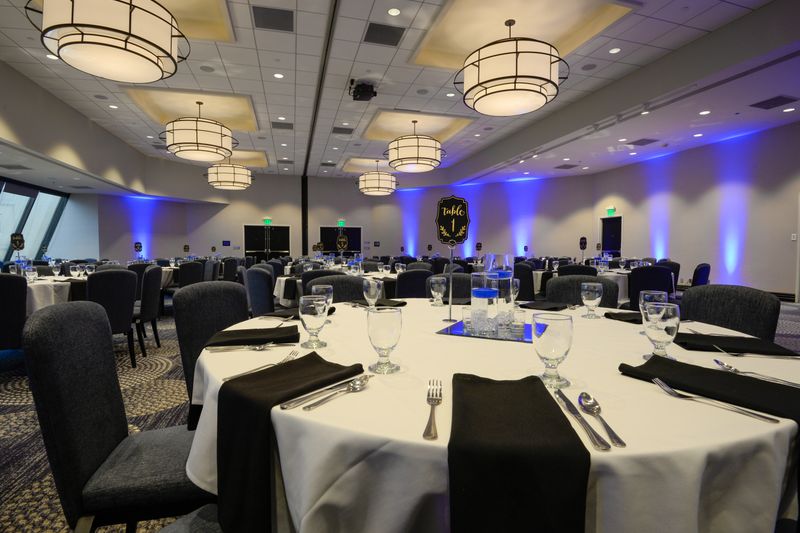
Speeches fail acoustically far more often than they fail as writing. Hard surfaces, high ceilings and scattered tables defeat an unamplified voice in most wedding rooms.
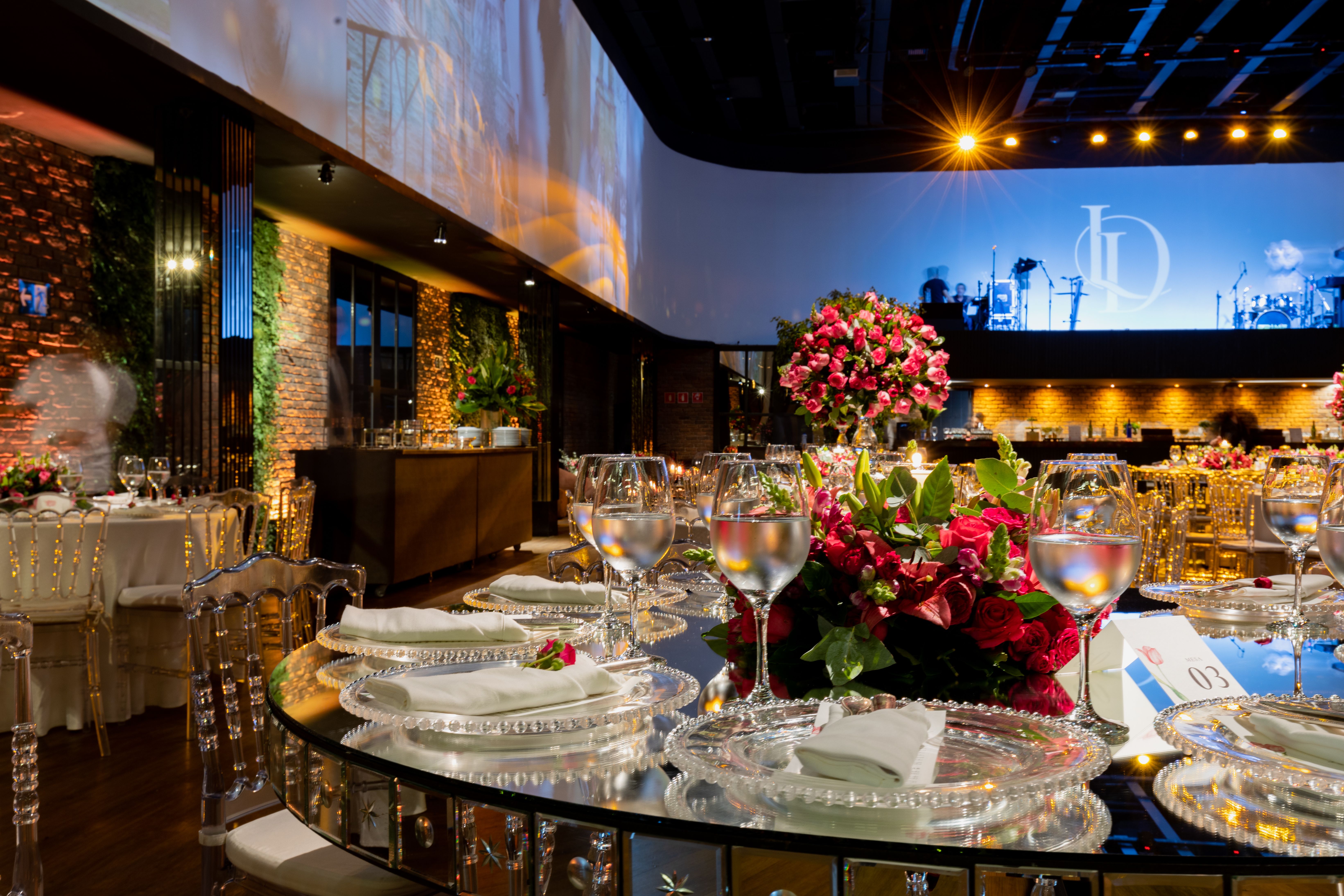
Speeches that were fine when practised regularly fail in the room. The cause is almost always acoustic, and the room was chosen before anyone considered it.
Hard surfaces blur speech
Stone, glass, wood and plaster reflect sound rather than absorbing it. Each reflection arrives slightly after the original, smearing consonants together.
Music tolerates this and often sounds better for it, which is why grand rooms feel impressive. Speech does not, because intelligibility depends on the sharp parts.
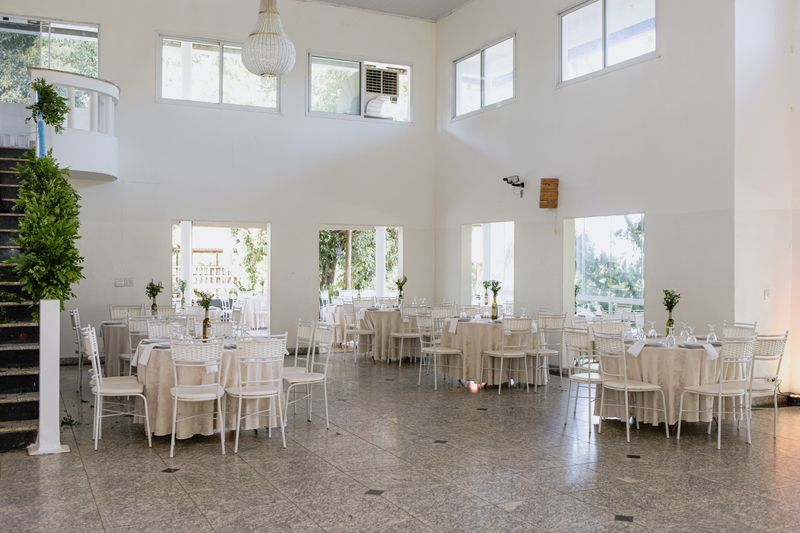
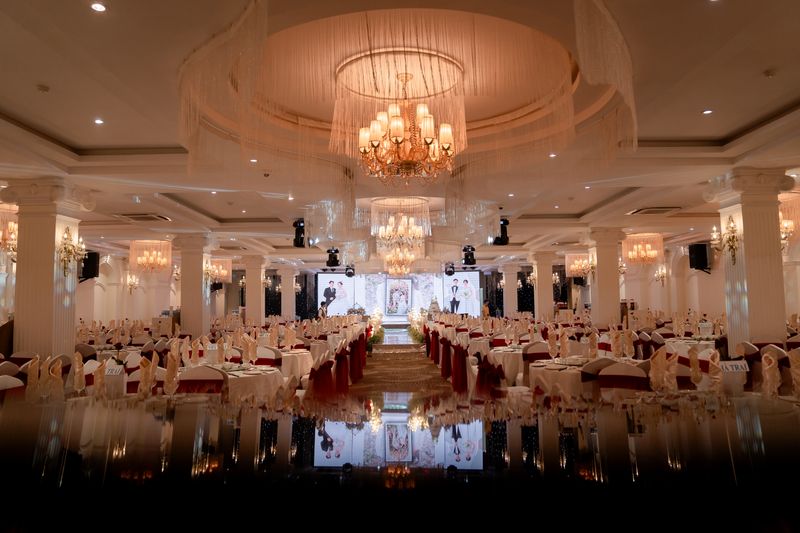
The rooms couples want most, with high ceilings and hard floors, are therefore the hardest rooms to be understood in.
Distance defeats an unamplified voice
Sound falls away rapidly with distance, so a speaker audible at the nearest table can be inaudible at the back of a long room.
The people at the far tables are usually the ones least likely to complain and most likely to start talking, which then makes it worse for everyone.
Round tables compound it. Roughly half of every table has its back to the speaker, and turning a chair is not always possible when tables are close.
A full room absorbs differently from an empty one
Bodies and soft furnishings absorb sound. A room tested empty in the afternoon behaves noticeably differently once a hundred people are seated.
Absorption helps intelligibility but reduces volume, so a level set in an empty room is usually too low once guests arrive.
Background noise rises too. Service, cutlery, conversation and air handling all add a floor the speaker has to be heard above.
Microphones need someone competent
A microphone solves the problem only if it is held correctly, close to the mouth, and by someone who does not turn away from it while talking.
Handheld microphones passed between nervous speakers cause most of the failures. A fixed stand or a clip-on removes the technique from the equation.
Whoever owns the system should be present when speeches happen. Feedback and level problems need someone to correct them in the moment.
Position matters more than equipment
Speaking from a point where most tables have a sightline changes comprehension more than adding volume does, because people follow a speaker they can see.
Standing rather than sitting is part of that, and so is being in front of a wall rather than in the middle of an open floor.
Timing helps as well. Speeches before service, or between courses when staff are not moving, avoid competing with the noisiest part of the meal.
Questions readers ask
Is a package always more expensive?
Not once you cost everything a blank canvas requires, including hire, staffing, facilities and coordination. The comparison only works when both are fully costed.
Can we use a blank canvas venue without a coordinator?
It is possible with enough time and a reliable group of helpers, but somebody has to run the setup and the day. If that person is you, plan on being unavailable for most of your own morning.