Venues
Booking a Venue That Is Still Being Refurbished
Venues sell dates before building work is finished, and couples book from plans. The risk is manageable, but only if the contract addresses what happens if work overruns.
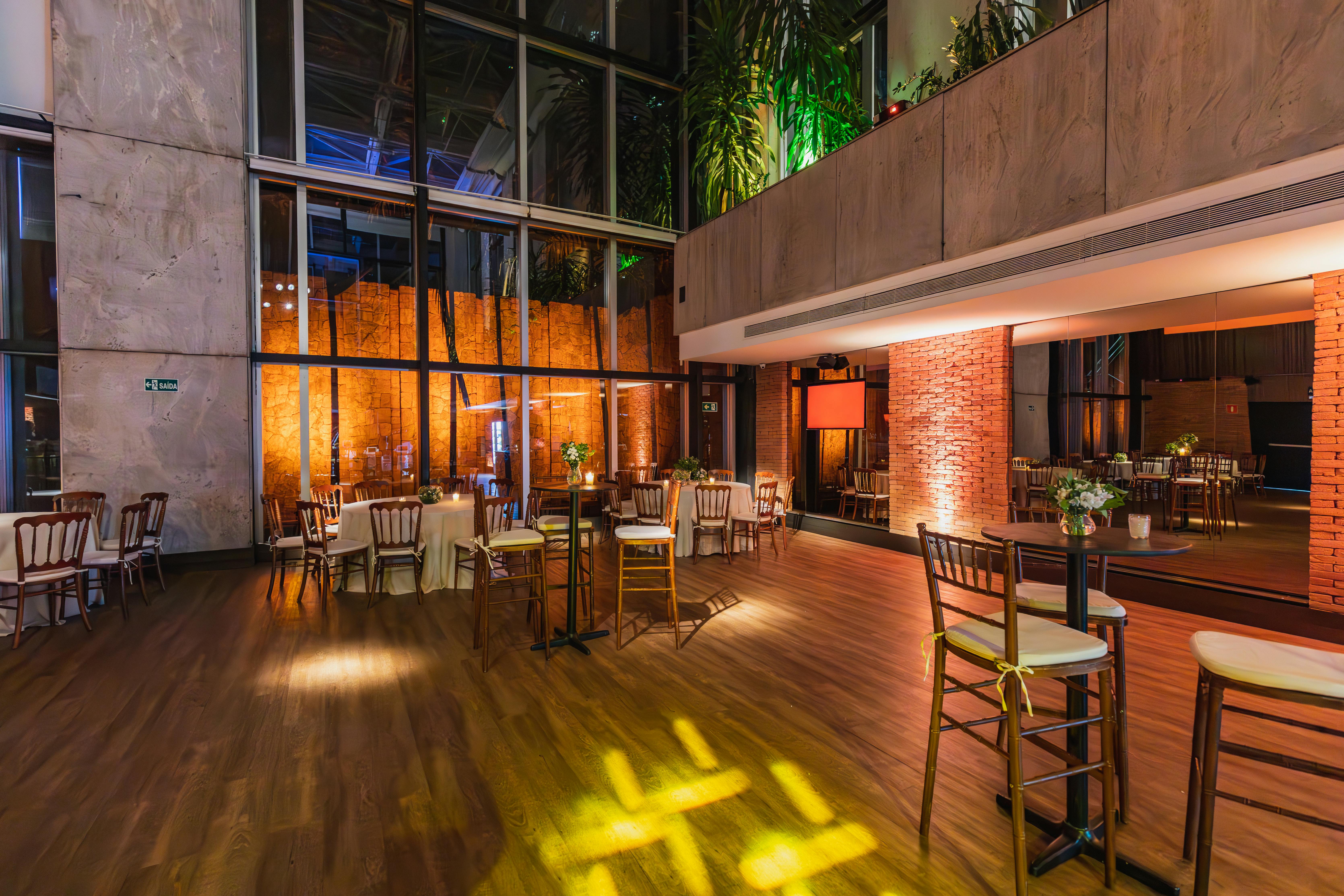
New and refurbished venues take bookings before the work is complete. Couples are asked to commit to a space they have seen only as a drawing.
Why venues sell before they are finished
A venue's income depends on filling a calendar that books a year or more ahead. Waiting until completion means losing an entire season of bookings.
Early bookings also help fund the work itself, which is why the pricing is usually noticeably lower than the venue expects to charge later.
That discount is real and it is compensation for risk. Couples booking early are accepting uncertainty in exchange for a better rate.
Construction timelines slip in one direction
Building programmes are optimistic by nature, and delays come from supply, weather, contractor availability and inspections rather than from carelessness.
A venue promising completion two months before a wedding date has less margin than it sounds, because the fitting-out and licensing stages tend to be the ones that overrun.
The question worth asking is not when the building will be finished but when the venue will hold its first event, since that is the real test date.
Licences and certificates are separate from the building
A finished room is not a usable venue. Alcohol licensing, ceremony approval, fire certification and music permissions are each granted by different processes.
Approval to hold legal ceremonies is often the slowest and is the one that cannot be worked around, since it determines whether the marriage can happen there at all.
Asking which permissions are already in place, and which are applied for, separates a venue that is nearly ready from one that has only completed construction.
The contract has to name the failure case
Standard wedding contracts assume an operating venue. A contract for an unfinished one needs terms covering what happens if the space is not ready.
The useful provisions are a full refund with a deadline, an alternative space named specifically, and a date by which the venue must confirm readiness.
A promise to help find something else is not a remedy. By the time a venue fails, alternatives for that date are largely gone.
An untested venue has no operational habits
Established venues know their own timings, their bottlenecks, and where guests get lost. A new one is learning that on early events.
Being among the first weddings means the staff have not yet worked out the practicalities, and small things go wrong that would not later.
Couples who accept that trade knowingly tend to be satisfied. The dissatisfaction comes from expecting a polished operation at a discounted price.
Questions readers ask
Is a package always more expensive?
Not once you cost everything a blank canvas requires, including hire, staffing, facilities and coordination. The comparison only works when both are fully costed.
Can we use a blank canvas venue without a coordinator?
It is possible with enough time and a reliable group of helpers, but somebody has to run the setup and the day. If that person is you, plan on being unavailable for most of your own morning.