Venues
Blank Canvas or All-Inclusive: Two Very Different Amounts of Work
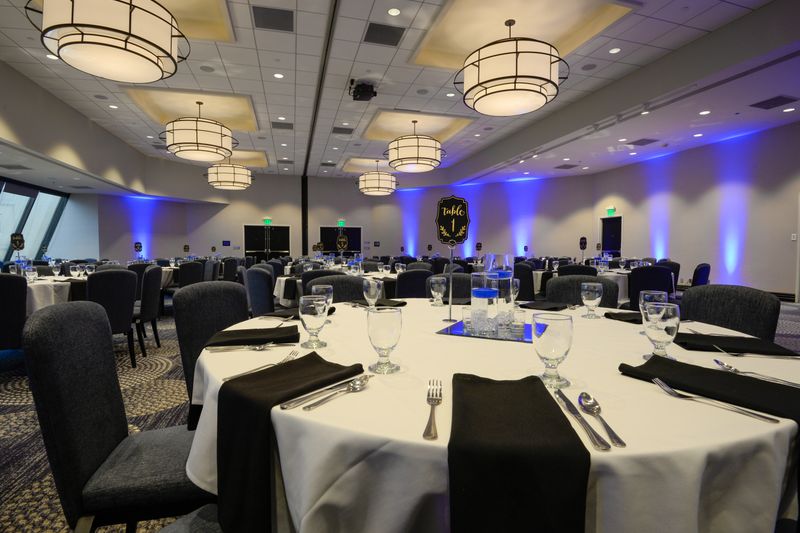
One venue hands you a finished day with limited choices. The other hands you a space and a very long list. Both are valid; they are not comparable on price.
This is less a set of instructions about choosing between venue types than an argument, and it is worth saying so at the start.
The argument in brief
- An empty space requires you to source everything down to the furniture.
- Packages restrict choice but remove most coordination.
- The difference is paid in either money or your own time.
What each type actually offers
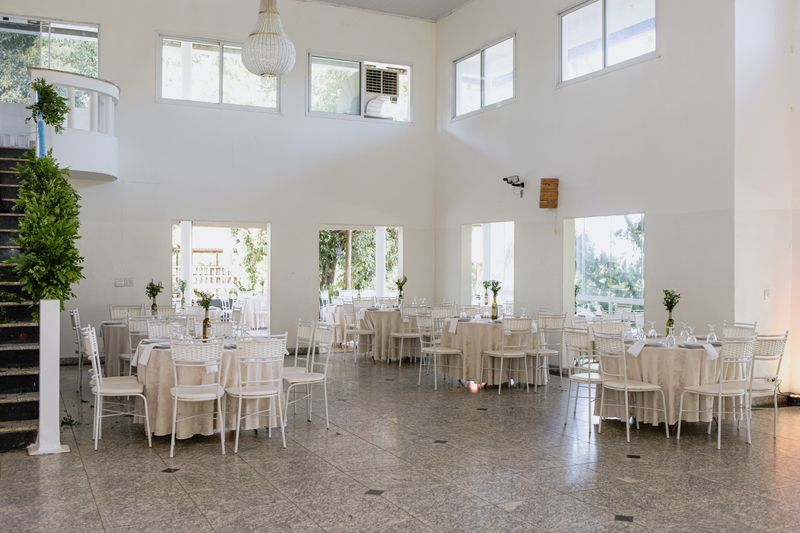
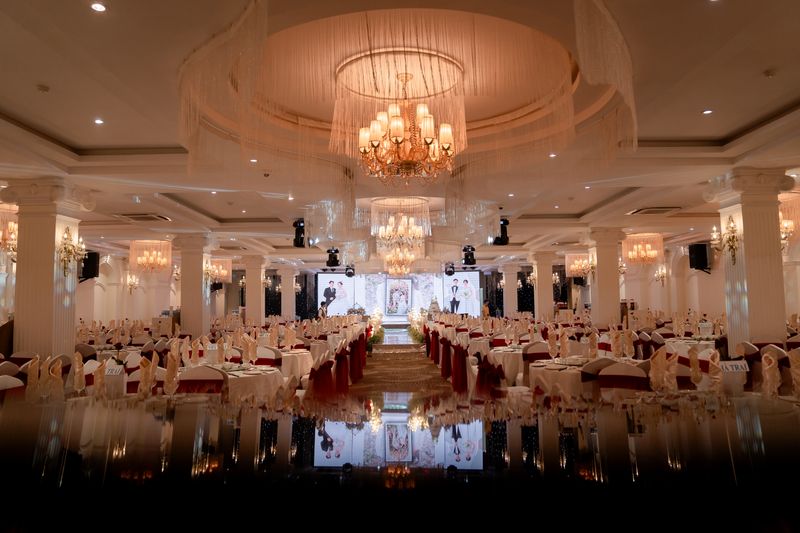
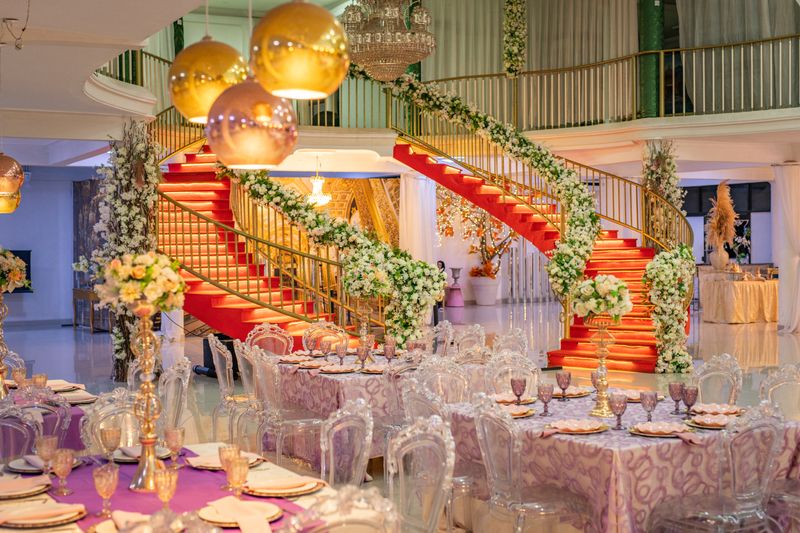
An all-inclusive venue supplies the space, the catering, the furniture, the staff and often a coordinator, within a defined set of options. A blank canvas supplies the space and sometimes very little else, leaving you to source catering, furniture, staff, facilities and coordination. The headline figures for the two are not comparable, because one includes most of a wedding and the other includes a room.
Building a like-for-like comparison means costing everything the empty space does not provide, which is a longer list than it appears. That exercise is worth doing before deciding, since it frequently reverses an assumption about which is cheaper.
The hidden work in an empty space
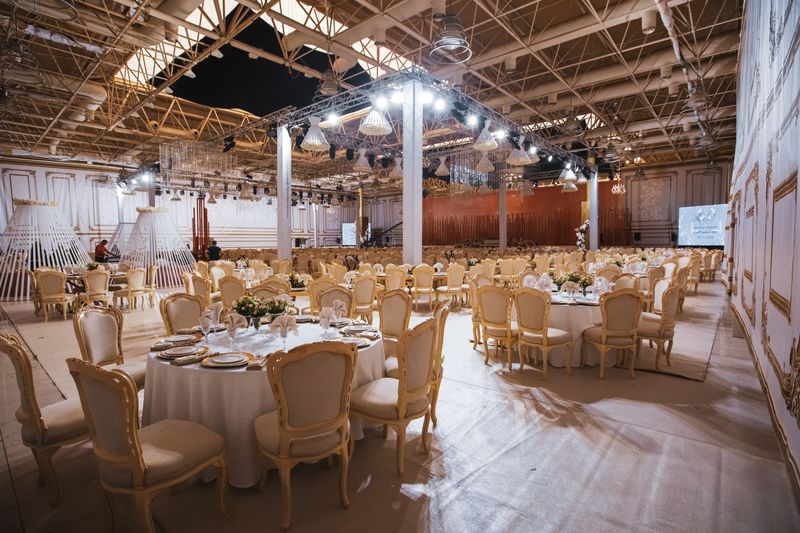
Tables, chairs, linen, crockery, glassware, cutlery, a bar, a kitchen, power, lighting, heating and toilets may all need hiring. Each item has a supplier, a delivery window, a collection window and someone who has to be present for both. Someone also has to design the layout, brief every supplier, sequence the setup and manage the day, and that someone is you or a coordinator.
The work is not difficult but there is a great deal of it, concentrated in the final weeks and on the day itself. Couples who enjoy this find it the best part of planning; couples who do not find it the reason they stopped enjoying the year.
The constraints inside a package
Packages restrict choice, sometimes considerably, and the restrictions are usually around catering, suppliers, timings and decoration. The trade is real: you accept someone else's menu and someone else's chairs in exchange for not having to think about either.
Ask what within the package can be varied and at what cost, since some are more flexible than the printed version suggests. Check whether elements you do not want can be removed with a reduction, because frequently they cannot. A package that fits what you wanted anyway is excellent value; one you are fighting against is not.
Who coordinates
All-inclusive venues generally coordinate their own supply, which removes the largest single piece of hidden work. Even then, external suppliers such as photographers and bands usually remain your responsibility to brief and schedule.
At a blank canvas venue, coordination is a substantial role and is the strongest argument for hiring someone to do it. The cost of that coordinator should be counted as part of the blank canvas option rather than treated as an optional extra.
A blank canvas venue without a coordinator means one of you is working through the setup and the day itself.
Which suits which wedding
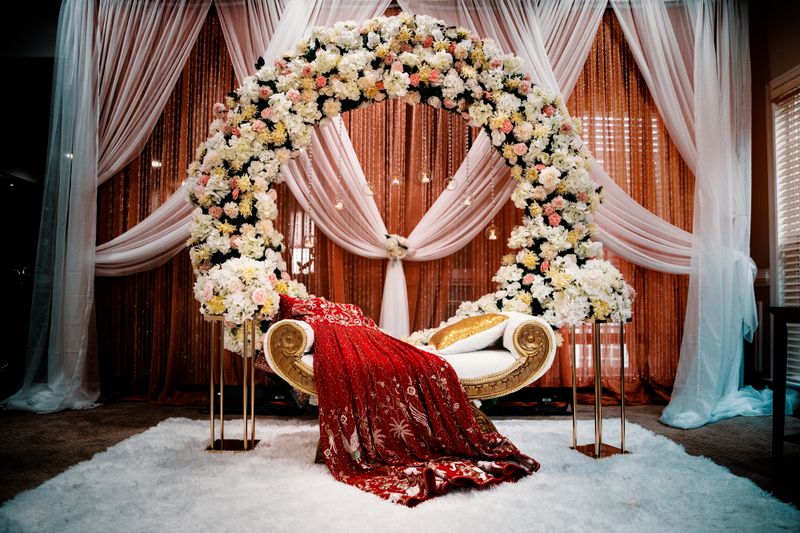
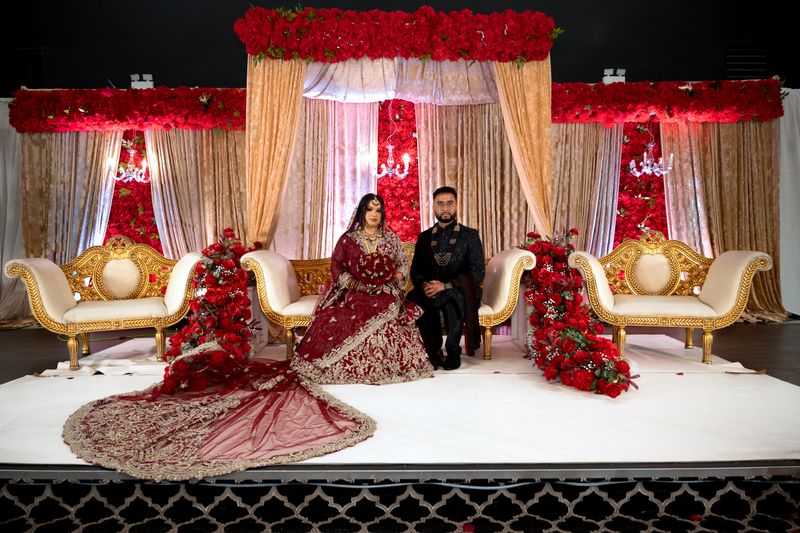
Weddings with strong cultural requirements often need a blank canvas, because packages are built around one assumed format. Multi-day celebrations, specific catering, particular ritual requirements and large processions all sit awkwardly inside a standard package. Couples with little time, or planning from another country, usually get far more from an inclusive venue.
On the run sheet, small weddings frequently suit neither and are better served by a restaurant, a home or a private room. The right answer depends much more on your wedding's shape than on your budget.
Quoted costs rarely include service charges, taxes or overtime, and all three arrive later.
Deciding honestly
Ask yourselves how much of the planning you actively want to do, and answer for the version of you that is also working full time. Ask who would do the setup and the collection, by name, and whether they have agreed to it.
If the honest answer is that nobody has time, the package is not a compromise but a correct decision. If you have time and taste and want to build something specific, the empty space will produce a wedding no package could. Both routes produce excellent weddings, and the failure mode is choosing one and planning as if you had chosen the other.
The takeaway
Cost the empty room honestly, including your own time, before deciding which venue is cheaper.
Decide early, decide once, and stop reopening it.
Questions readers ask
Is a package always more expensive?
Not once you cost everything a blank canvas requires, including hire, staffing, facilities and coordination. The comparison only works when both are fully costed.
Can we use a blank canvas venue without a coordinator?
It is possible with enough time and a reliable group of helpers, but somebody has to run the setup and the day. If that person is you, plan on being unavailable for most of your own morning.