Venues
Choosing a Venue Around Guests Who Cannot Manage Stairs
Accessibility is not a separate consideration bolted on at the end. It is a venue criterion, and applying it early usually improves the day for everyone.
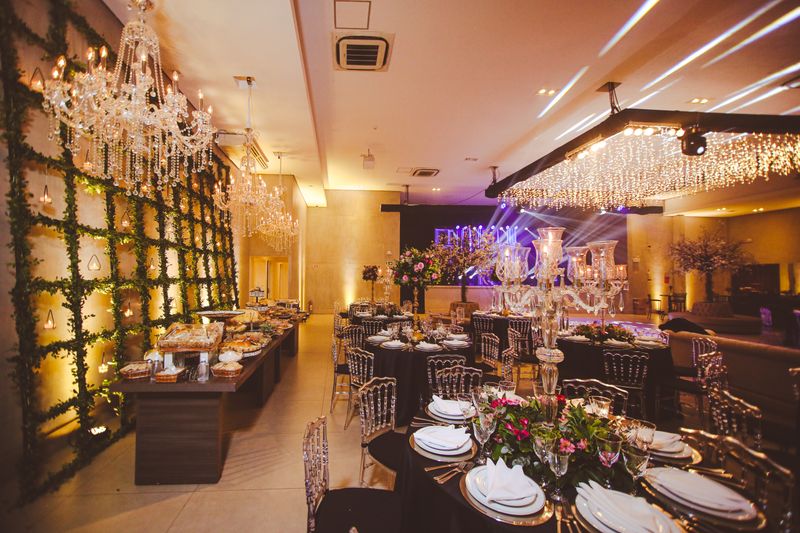
This looks at wedding venue accessibility from the practical end — what holds up once conditions stop being ideal.
What holds up in practice
- Distance between spaces matters as much as steps.
- Accessible toilets and level routes are frequently the real constraint.
- Asking guests directly is better than guessing what they need.
Thinking beyond wheelchairs
Accessibility covers anyone whose participation depends on the building, which includes older relatives, pregnant guests, people using sticks and parents with prams. That group is larger than most couples expect and usually includes people they would be very sorry to exclude.
The constraints are often mundane, such as distance, gravel, a lack of seating or a single unavoidable step. Considering it at the venue stage costs nothing, whereas retrofitting access later is expensive and frequently impossible. It also improves the day for everyone, since level routes and nearby seating are simply better for all guests.
What to check on a viewing
Walk the entire guest route and count the steps, note the surfaces and measure the distances rather than estimating them. Gravel, cobbles, grass and long corridors are the usual obstacles and are easy to overlook when you are not affected by them. Check whether there is an accessible toilet, where it is and whether it is in use for storage, which is depressingly common.
Ask whether there is a lift, whether it is available to guests and what happens if it fails during an event. Look at where a guest using a wheelchair would actually sit during the ceremony and at the meal.
Historic and unusual buildings
Older buildings and religious sites frequently cannot be altered, and the honest answer is sometimes that access is limited. Where that is the case, the question becomes what can be arranged around it, such as a different entrance or an alternative route.
Once the deposit is paid, some venues have a solution they do not advertise, so asking specifically is worthwhile before ruling a place out. Where no solution exists, choosing a different venue is a legitimate and often kind decision. It is better to know this early than to discover it while a relative is being carried up a staircase.
Hearing, sight and other needs
Amplification helps every guest and is essential for anyone with hearing loss, and some venues have induction loop systems worth asking about. Lighting matters for anyone lip-reading, which means a speaker silhouetted against a bright window is effectively inaudible to them.
Six months out, printed orders of service in a legible size help more people than expected and cost nothing extra to produce. For guests with sensory sensitivities, a quiet room away from the music is a small provision that makes attendance possible.
None of these require the venue to be different, only for someone to have thought about them.
Asking rather than assuming
The invitation is the natural moment to ask whether anyone has requirements you should know about, phrased plainly and without fuss. People generally answer honestly when asked directly and rarely volunteer the information otherwise.
Ask about mobility, hearing, dietary needs and anything else in the same question, so it reads as ordinary planning rather than special provision. Then act on the answers, since asking and not following through is worse than not asking. A short message to affected guests explaining what you have arranged removes their anxiety about the day entirely.
Practical arrangements on the day
Seat guests with mobility needs near the entrance, near the toilets and away from the speakers rather than at the back by default. Reserve parking close to the entrance and make sure someone knows to keep it clear.
Ask a named person to check in with anyone who might need help, since guests are reluctant to ask during someone else's wedding. Make sure the route is lit at the end of the night, which is when most falls happen and when everyone is least careful. These arrangements take an hour to plan and determine whether some of your guests enjoy the day at all.
The takeaway
Walk the guest route as your least mobile guest would, and the venue question answers itself.
It is a party with paperwork attached. Keep them in that order.
Questions readers ask
Should we choose a venue purely on accessibility?
It should be a criterion rather than the only one. If a specific person's presence matters more than the building, then the building is the thing that should change.
How do we ask guests about their needs without singling them out?
Ask everyone the same question at the invitation stage, alongside dietary requirements. A standard question invites an honest answer and does not mark anyone out.
Also by Ruchika Sethi
- What Suppliers Are Really Asking For When They Want Your TimingsPlanning & Timeline
- How Long an Engagement Needs, Counted Backwards From the ConstraintsPlanning & Timeline
- One Person Holding the Plan Beats Four People Holding FragmentsPlanning & Timeline
- The Questions to Ask on a Venue Visit That Nobody Puts on the ListVenues