Guests & Etiquette
Bachelor and Bachelorette Weekends and Who Pays
Pre-wedding trips have grown from an evening into a weekend away, and the money question underneath them is rarely discussed by the people it affects most.
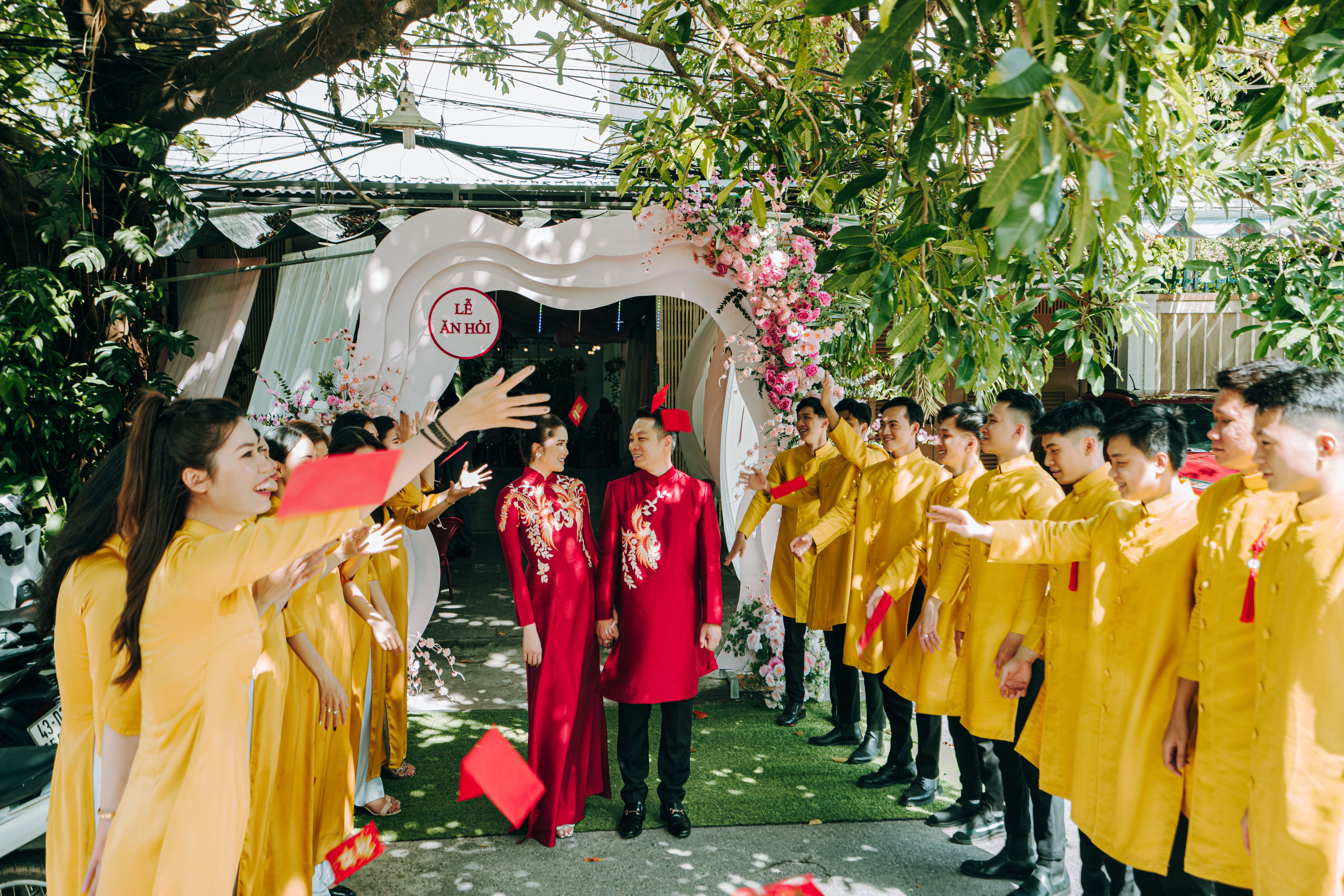
The American bachelor or bachelorette party has expanded from a night out into a multi-day trip. The cost expanded with it, and the etiquette did not keep up.
The default convention no longer fits the event
The traditional arrangement is that attendees split the guest of honor's costs among themselves and cover their own.
That worked when the event was a dinner. Applied to a weekend involving flights, a rental house and several days of activities, the same rule produces a substantial bill.
Nobody renegotiated the convention as the event grew, which is why groups end up applying a dinner-sized rule to a vacation-sized expense.
The cost is invisible until it is committed
Trips are usually organized incrementally: first the destination, then the house, then activities, then meals, each agreed separately.
By the time the total is visible, flights are booked and deposits are paid, and the person who cannot afford it has already spent money.
Stating a total estimate before anything is booked is the single change that prevents this, and organizers who do it find people opt in or out honestly.
Declining is harder than it should be
Saying no to a bachelorette trip reads as a statement about the friendship, which is why people attend events they cannot afford and resent afterwards.
Group chats amplify this, because the enthusiastic responses arrive first and set a tone that makes a reluctant reply conspicuous.
Organizers can defuse it by offering a partial option explicitly: joining for one night, or for a dinner at home, framed as a normal choice rather than a consolation.
The couple has more influence than they use
The person being celebrated is usually told the trip is not their concern, which leaves them unaware of what their friends are paying.
Saying plainly that a modest version would be welcome, and that attendance matters more than the destination, gives the organizer permission to scale it down.
This matters most where the wedding already asks a lot: travel, attire, a shower and a gift. The trip is one demand among several on the same people.
Who is actually invited
The guest list is usually the wedding party, though it often extends further, and the extension is where confusion starts.
Anyone invited to a pre-wedding event must be invited to the wedding, which is the one firm rule underneath all of this.
Beyond that, a smaller group is generally easier to organize, cheaper per person and more pleasant than a large one assembled to avoid leaving anybody out.
Questions readers ask
Do we have to invite people who invited us to their wedding?
In many communities the expectation is strong and ignoring it has consequences. Elsewhere it is a courtesy rather than an obligation. Ask your family what is expected where you are.
Can we invite colleagues to the evening only?
In places where that distinction is normal, yes, provided you apply it to all colleagues equally. Where it is not a recognised practice, it will read as a partial invitation.
Also by Preeti Ramnani
- Anand Karaj: How a Sikh Wedding Is Actually StructuredCeremonies & Rituals
- The Nikah: Consent, Witnesses and the Mahr ExplainedCeremonies & Rituals
- Christian Wedding Ceremonies Differ Far More Than Most People ExpectCeremonies & Rituals
- Rituals That Honour Parents and Elders, and Why They MatterCeremonies & Rituals