Guests & Etiquette
Building a Seating Plan That Works for the People Sitting In It
A seating plan is a social engineering problem with a deadline. Doing it in the right order turns three evenings of argument into one afternoon.
This is less a set of instructions about wedding seating plans than an argument, and it is worth saying so at the start.
The argument in brief
- Place the difficult constraints first and fill around them.
- Every table needs someone who will start a conversation.
- The plan cannot be built until replies are essentially complete.
Do not start too early
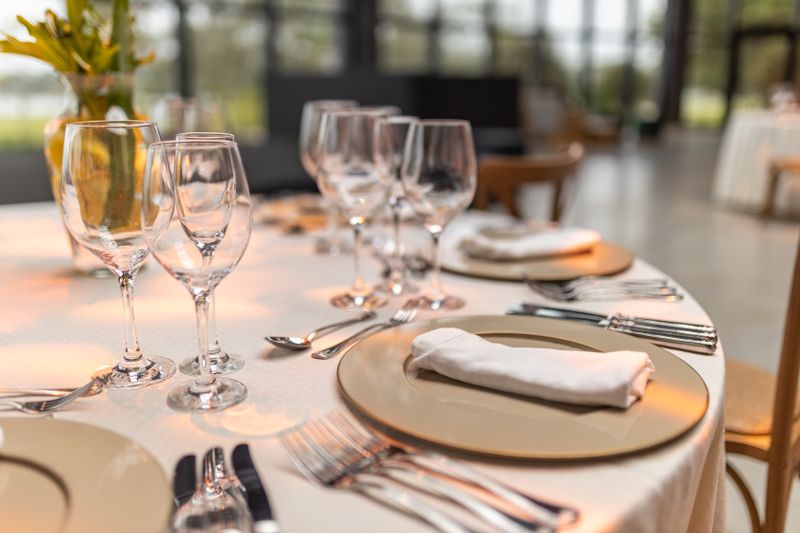
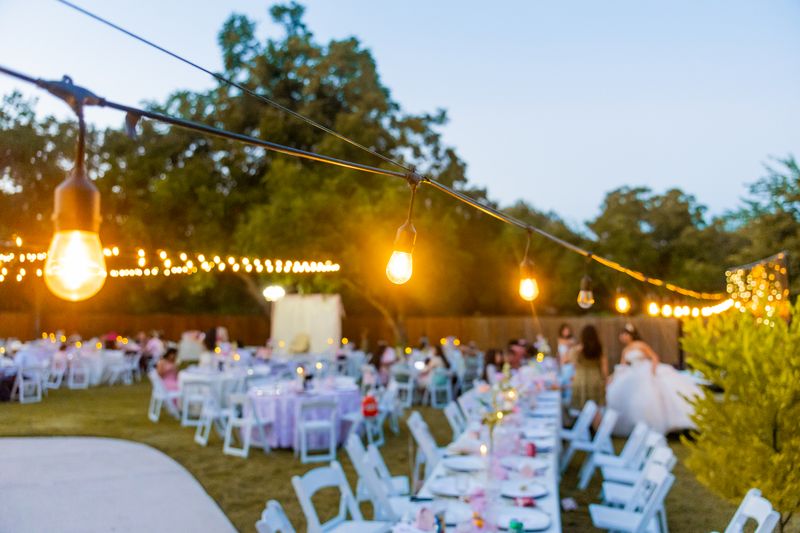
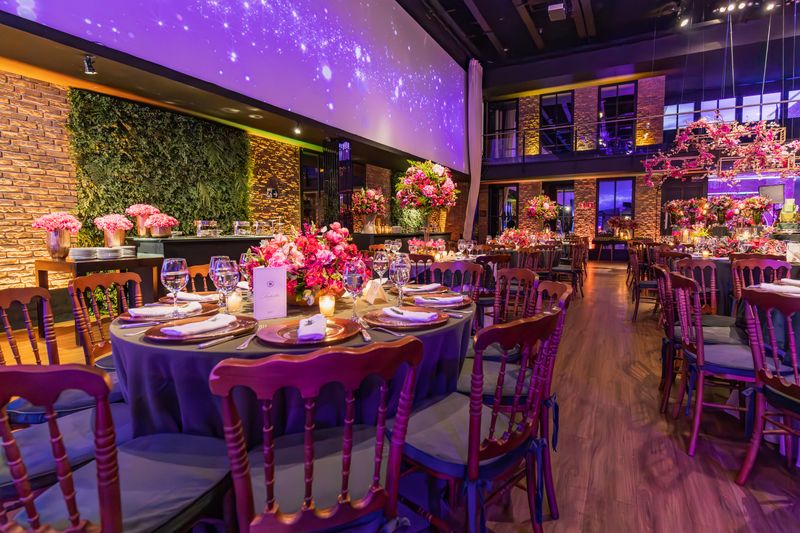
A seating plan built before the replies are in will be rebuilt, and rebuilding it feels like failure even though it was inevitable. Wait until the replies are essentially complete, then do it in one sitting with the final list in front of you. Get the room layout from the venue first, with the real table shapes and the real number of seats at each.
Confirm whether the top table exists, what shape it is and who the venue expects to sit there, since practice varies widely. Starting with accurate information turns this from an ordeal into an afternoon's work.
Constraints before preferences
Place the people who must not sit together, and the people who must, before you consider anyone else. Then place anyone with practical needs, including guests with limited mobility, hearing difficulties or small children.
On the run sheet, older guests generally want to be away from the speakers and near the exit, and putting them there is a kindness rather than a demotion. Anyone with a role, such as speakers, should be somewhere they can reach a microphone without crossing the room. Once the constraints are placed, the remaining guests fill the space with far less difficulty than expected.
Building a table that works
Each table needs at least one person who will talk to strangers, and identifying those people is the most useful thing you can do. Mixing groups completely tends to fail, while seating each group with one or two adjacent people usually works.
Consider what people have in common beyond knowing you, since a shared profession or a shared language does more work than a shared anecdote. Avoid a table composed entirely of people who were left over, which is visible to everyone sitting at it. Round tables allow more conversation partners than long ones, which matters most for tables of people who do not know each other.
Families and their geometry
Divorced parents, estranged siblings and complicated family situations are the reason seating plans take three evenings. Establish what each person needs rather than what would look balanced, and ask them directly if you are unsure. Physical distance and sightlines both matter, since two people can be far apart and still directly facing each other.
On the run sheet, where two people genuinely cannot be in the same part of the room, that is a layout problem to solve rather than a test of goodwill.
Deciding this yourselves, rather than asking family to agree, is usually faster and less painful for everyone.
Where you sit
Top tables are conventional in some traditions and absent in others, and there is no requirement to have one. Sitting with your own friends, or at a small table alone, are both increasingly common and neither causes offence if it is not a surprise. Whatever you choose, you will spend less time seated than you expect, since most of the meal is spent being spoken to.
Consider seating a parent or a close friend where they can catch your attention, since you will need a rescue at some point. Eat something, because the couple not eating is the most reliable feature of every wedding.
Quoted costs rarely include service charges, taxes or overtime, and all three arrive later.
Producing and communicating it
Give the venue and caterer the final plan by their deadline, in the format they ask for, and keep a copy yourself. A visible plan at the entrance works better than individual cards for large weddings, and both work for small ones. Names should be legible from a distance and spelled correctly, since a misspelled name is the detail people remember.
Have someone available to direct guests, because a plan at the door creates a bottleneck if nobody is managing it. Accept that on the day people will move, and that this does not matter at all.
The takeaway
Place the constraints first, give every table a conversationalist, and do it all in one sitting once replies are in.
Decide early, decide once, and stop reopening it.
Questions readers ask
Do we need a seating plan at all?
For a seated meal of more than a couple of tables, yes, because unassigned seating leaves someone standing with a plate. For a standing reception it is unnecessary.
Where should we seat guests who know nobody?
With people who share something concrete, and always with at least one person who talks easily to strangers. Never at a table assembled from everyone who did not fit elsewhere.
Also by Ruchika Sethi
- What Suppliers Are Really Asking For When They Want Your TimingsPlanning & Timeline
- How Long an Engagement Needs, Counted Backwards From the ConstraintsPlanning & Timeline
- One Person Holding the Plan Beats Four People Holding FragmentsPlanning & Timeline
- The Questions to Ask on a Venue Visit That Nobody Puts on the ListVenues