Guests & Etiquette
What an Invitation Has to Tell People, and What It Usually Forgets
The design is the part couples worry about. The information is the part guests need, and it is missing more often than not.
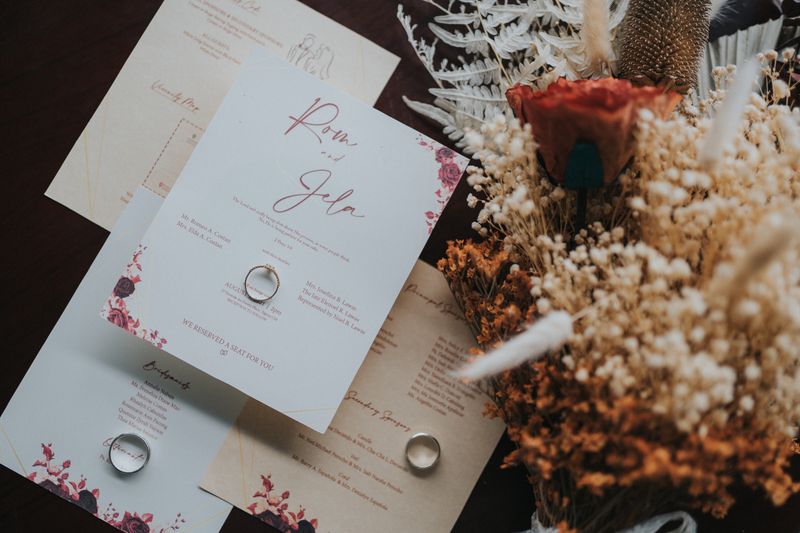
Everything here earned its place by changing an outcome. Nothing about the information guests need from an invitation is included to round the number up.
What matters most
- Guests need times, locations, transport, dress and a reply route.
- Two locations must be stated at the invitation stage.
- Send anything logistical separately from the formal card if space is short.
The information guests actually need
Every guest needs the date, the arrival time, the location, the finish time, how to reply and by when. They also need to know if there is more than one location, whether transport is provided and whether cars can be left overnight. Anything affecting what they wear, including outdoor ground conditions or a religious venue's expectations, belongs here rather than being discovered on arrival.
If the day runs long or includes several events, guests need the shape of it so they can plan childcare, travel and rest. Most of this fits on a single additional sheet, which is why so many couples now send one.
Times that mean something
State the time you want guests to arrive, not the time the ceremony begins, and make the difference explicit if it matters. Give a finish time as well, since guests booking transport or childcare cannot plan around an open-ended evening. Where the ceremony has a hard start, say so plainly, because a religious or civil slot will not wait for latecomers.
Between the two families, for multi-event weddings, give each event its own time and location rather than a single block. Ambiguity about time is the most common cause of guests arriving in the wrong half hour.
Replies and how to make them easy
Give one route for replying and make it the easiest one available to your guest list rather than the most elegant. Set a deadline well before your caterer's, since replies arrive late and the gap is where the chasing happens.
The decision that unlocks the rest: ask for everything you need in one go, including dietary requirements, accessibility needs and the names of anyone attending. A reply route that requires a stamp will produce a slower and smaller response than one that does not, whatever its charm. Where guests are older or less comfortable online, offering two routes is worth the small extra effort.
Dress and expectations
Say what you would like people to wear, in plain terms rather than in codes that mean different things in different countries. Where the venue is a place of worship, state any expectations about covering heads, shoulders or removing shoes.
Six months out, if part of the day is outdoors or on grass, say so, since that determines footwear and is the detail guests most wish they had known. Where guests from another tradition are attending an unfamiliar ceremony, a short note on what to expect is genuinely welcome. None of this is fussy; it is the information that lets people arrive comfortable and confident.
Gifts and how to mention them
Customs about gifts vary enormously, and what is normal in one community is impolite in another, so follow your own. Where a registry or an equivalent is customary, guests generally want to know and will ask if you do not tell them. Putting gift information on a separate sheet or a website, rather than on the invitation itself, is the usual compromise.
If you would prefer no gifts, say so in a way that sounds sincere, and accept that some people will bring something anyway. Whatever you decide, be consistent, since guests compare what they were told.
Timing and sequencing
Advance notice of the date, before invitations exist, is the single kindest thing you can do for anyone travelling. Invitations themselves need to arrive with enough time for replies, travel booking and accommodation, and that lead time is longer for overseas guests.
Send the practical information at the same time as the invitation rather than later, since guests plan when they receive it. A simple website or a shared document handles updates, which paper cannot, and is worth having even for a small wedding. Keep a record of what was sent to whom, because you will need it when the questions start.
Everything above, in order of what to do first
- The information guests actually need. Every guest needs the date, the arrival time, the location, the finish time, how to reply and by when.
- Times that mean something. State the time you want guests to arrive, not the time the ceremony begins, and make the difference explicit if it matters.
- Replies and how to make them easy. Give one route for replying and make it the easiest one available to your guest list rather than the most elegant.
- Dress and expectations. Say what you would like people to wear, in plain terms rather than in codes that mean different things in different countries.
- Gifts and how to mention them. Customs about gifts vary enormously, and what is normal in one community is impolite in another, so follow your own.
- Timing and sequencing. Advance notice of the date, before invitations exist, is the single kindest thing you can do for anyone travelling.
The takeaway
Design the card however you like, but make sure the arrival time, the finish time and the reply route are unmissable.
Decide early, decide once, and stop reopening it.
Questions readers ask
Do we need save-the-date cards?
Not necessarily as cards, but early notice matters, especially for guests travelling. A message months ahead does the same job and costs nothing.
Where should practical information go?
On a separate sheet or a simple webpage rather than on the invitation itself. It keeps the invitation clean and lets you update details without reprinting anything.
Also by Ruchika Sethi
- What Suppliers Are Really Asking For When They Want Your TimingsPlanning & Timeline
- How Long an Engagement Needs, Counted Backwards From the ConstraintsPlanning & Timeline
- One Person Holding the Plan Beats Four People Holding FragmentsPlanning & Timeline
- The Questions to Ask on a Venue Visit That Nobody Puts on the ListVenues