Ceremonies & Rituals
Why Ceremonies Run Shorter Than Couples Expect
Couples plan ceremonies by content and are surprised by how quickly they end. The gap comes from adrenaline, brisk delivery and the small share of time spent speaking.
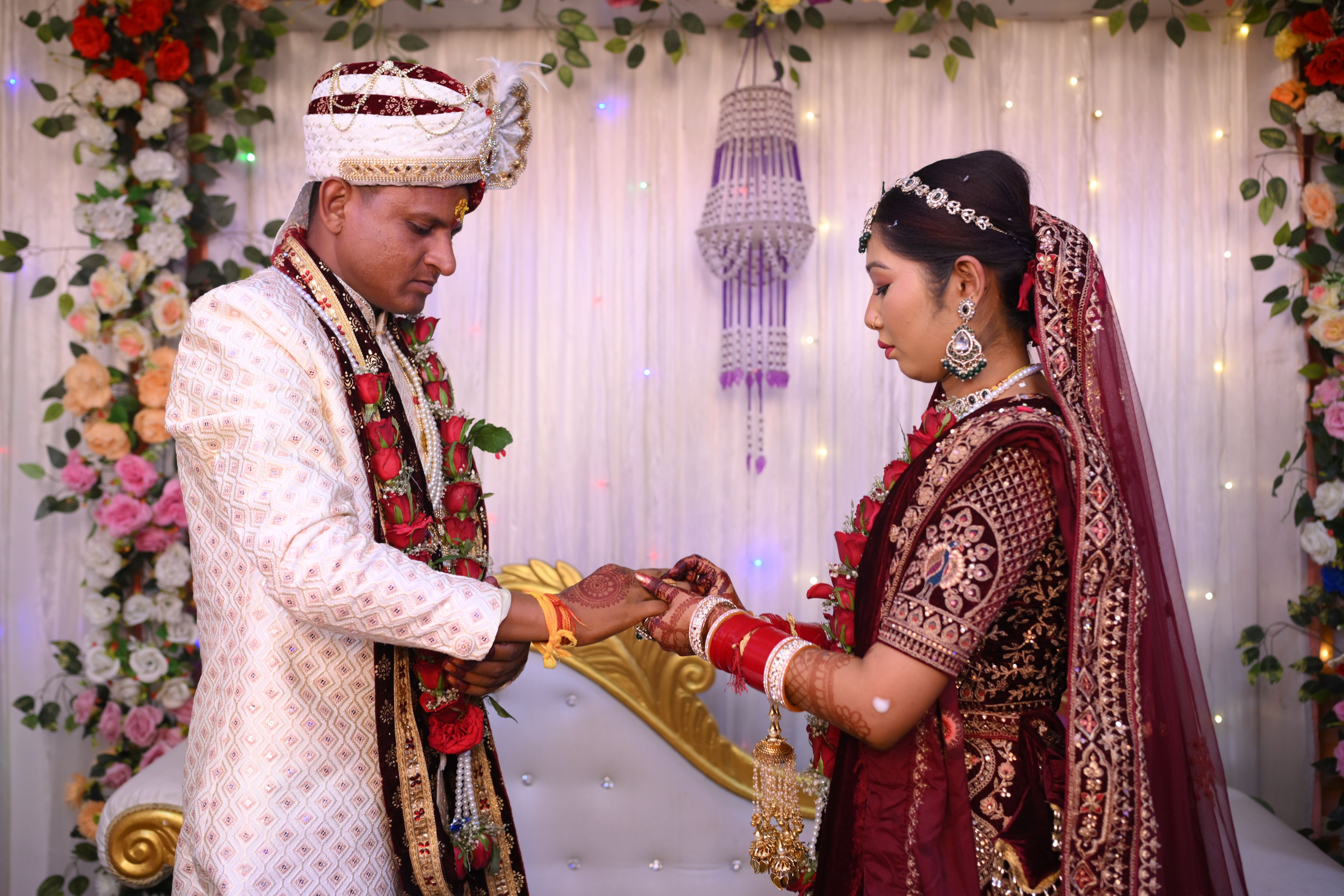
Almost every couple reports that the ceremony passed faster than expected. The effect is consistent enough to be worth planning around rather than being surprised by.
Very little of a ceremony is words
A set of vows read at normal pace takes under a minute. Legal declarations take less. Even a full script with readings rarely amounts to much spoken text.
What lengthens a ceremony is movement, pauses and transitions rather than content. A running order that looks substantial on paper can be thin in practice.
Counting the actual speaking time is a useful exercise. Couples who do it usually add a reading or a section, having assumed there was more there than there was.
Adrenaline compresses time
Under high arousal, attention narrows and memory encoding changes. People consistently report that intense, brief events felt shorter than they were.
The ceremony is the most exposed part of the day for the couple, so the effect is strongest there. Guests, who are not under the same pressure, often perceive it as longer.
This is why couples remember fragments rather than a continuous sequence. It is not inattention, and it is not something willpower corrects on the day.
Officiants deliver briskly by habit
Experienced officiants work to keep momentum. Long silences read as mistakes to an audience, so the natural instinct is to keep things moving.
Registrars in particular often work to a schedule with ceremonies booked back to back. Efficiency is built into how they run the room.
Asking for deliberate pauses is legitimate and usually welcomed. A few seconds held before the vows changes the experience more than adding a whole extra section would.
Slowing it down is mostly physical
Walking more slowly than feels natural is the single most effective adjustment. The pace that feels correct in the moment is nearly always too fast.
Standing still after the pronouncement rather than immediately turning to leave has the same effect. The instinct is to move; resisting it buys back real time.
Some couples ask the officiant to prompt them, which works because an external cue survives nerves better than an intention formed the week before.
Recording changes what is retrievable
Since the couple's own memory of the ceremony is unreliable, an audio or video record is disproportionately valuable for this part of the day.
Audio alone captures most of it. Vows, readings and the officiant's words are what people later find they cannot recall accurately.
Photographs, by contrast, capture the appearance and not the content. Couples who have both consistently find the ceremony is the section they return to.
Questions readers ask
Why are there no vows exchanged?
The commitment is expressed through the Laavan and the couple's assent before the Guru Granth Sahib. The hymns describe the union rather than the couple promising things to each other in the Western form.
Can the Anand Karaj be held outside a gurdwara?
It can where the Guru Granth Sahib can be installed and treated with the required respect, which is a significant practical undertaking. Discuss it with the gurdwara well in advance.
Also by Preeti Ramnani
- The Nikah: Consent, Witnesses and the Mahr ExplainedCeremonies & Rituals
- Christian Wedding Ceremonies Differ Far More Than Most People ExpectCeremonies & Rituals
- Rituals That Honour Parents and Elders, and Why They MatterCeremonies & Rituals
- Building a Guest List by Rule Instead of by ArgumentGuests & Etiquette