Ceremonies & Rituals
Vows, Readings and Briefing Whoever Is Leading Your Ceremony
The words are the part guests remember. Most of the work is choosing what is fixed, what is chosen and who needs to know in advance.
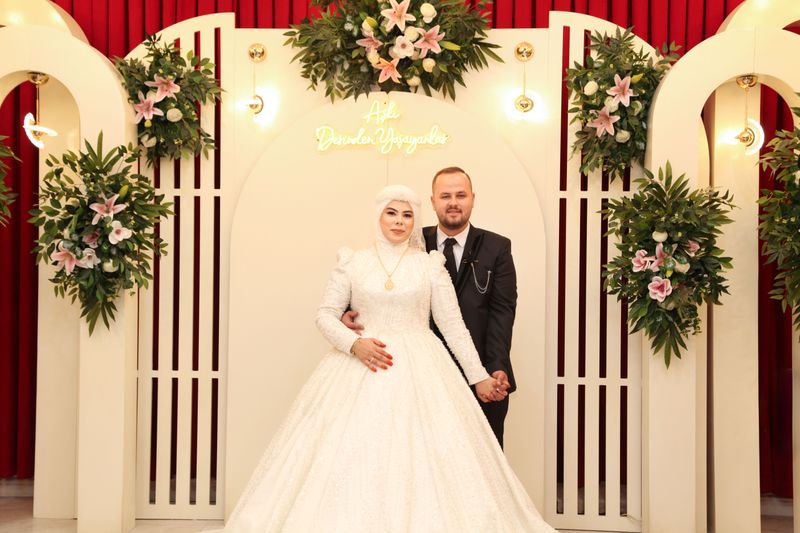
Everything below about the words spoken at a wedding ceremony comes from what actually happens rather than from what is supposed to.
What holds up in practice
- Prescribed words usually cannot be altered and vary by tradition.
- Officiants generally need readings and vows approved in advance.
- A vow is a promise about future conduct, not a statement of feeling.
Finding out what is fixed
Every ceremony has words that must be said, whether prescribed by law, by liturgy or by religious requirement. Establish those first, because they determine how much space there is for anything you write or choose yourselves.
In some traditions there are no vows at all, and the commitment is expressed through the rite rather than through promises. In others the vows are fixed but readings are free, and in others both are open within limits set by the officiant. Asking the question early avoids writing something beautiful that cannot be used.
What a vow actually does
A vow is a promise about future behaviour, which is why traditional forms specify conduct rather than describing feelings. Vows that consist mainly of compliments and shared memories are pleasant to hear and are not, strictly, promises.
Between the two families, the strongest personal vows name specific things you will do, which makes them both more moving and more useful. Keep them short, since a vow read at length in front of a hundred people is harder to deliver than it seems on paper. Agree a rough length with each other so that one of you is not left following something three times longer.
Choosing readings
Readings work when they say something the ceremony is not otherwise saying, and fail when they restate the obvious at length. Consider the reader as much as the reading, since a nervous reader with a difficult text is uncomfortable for everyone. Give readers the text well in advance, printed and in a legible size, and ask them to practise it aloud at least once.
In many traditions the permitted material is restricted, whether to scripture or to non-religious texts, so check before choosing. Two readings is usually plenty, and a ceremony with five has usually stopped being about the couple.
Briefing the officiant
Whoever leads the ceremony needs the names, the pronunciations, the family situation and anything you would rather they did not say. Tell them about complicated family circumstances directly, since a well-meant reference to absent parents can land badly if they do not know. Give them the running order, the names of anyone with a role and the timings agreed with the venue and other suppliers.
Ask what they need from you and by when, because most officiants have a deadline for approving readings and vows.
For religious ceremonies, ask what preparation they require of you, which in some traditions is substantial and takes months.
Practicalities of being heard
A microphone matters more than any wording, since a ceremony half the room cannot hear excludes most of your guests. Test the sound in the actual space, with the actual person, since a room full of people absorbs sound very differently from an empty one. Print the vows on a card rather than relying on memory, because almost nobody delivers as planned in the moment.
On the day itself, ask the officiant to feed lines if you are repeating after them, which is standard practice and much easier than reciting. Tell guests when to stand, sit or respond, particularly where half of them are unfamiliar with the tradition.
Traditions vary by family as much as by community, and the family version is the one that counts.
Including people without lengthening it
Roles such as readings, carrying rings, holding a canopy or witnessing give people a part without adding much time. Where many people want to be involved, consider giving roles at the pre-wedding events instead of extending the ceremony.
A ceremony that runs long is remembered as long, however good each individual element was. Guests are standing, sitting on hard chairs or on the floor, and their attention is finite regardless of how much they love you. A tight ceremony followed by generous celebration is the shape most people remember fondly.
The takeaway
Find out which words are fixed, write promises rather than compliments, and make sure everyone can hear them.
Protect the hour you will actually remember and let the rest be approximate.
Questions readers ask
How long should personal vows be?
Short enough to deliver without losing composure, which for most people is under a minute each. Agree a length together so the two are balanced.
Can a friend officiate our wedding?
In some jurisdictions a friend can be authorised to conduct a legal marriage, and in others they cannot. Where they cannot, many couples complete the legal step separately and have a friend lead the ceremony itself.