Ceremonies & Rituals
The Nights Before: Mehndi, Haldi, Henna and the Rites That Come First
In many traditions the wedding is the last event rather than the only one. The gatherings beforehand do work that the ceremony itself does not.

This looks at pre-wedding ceremonies and gatherings from the practical end — what holds up once conditions stop being ideal.
What holds up in practice
- Pre-wedding rites are frequently cultural rather than religious requirements.
- Several traditions share a henna night under different names.
- These events have their own guest lists and their own hosts.
What these events are for
Pre-wedding gatherings do the social work of a wedding, bringing families together and marking the transition before the formal rite. They are usually smaller and less formal than the wedding, which makes them the events people remember most warmly.
In many communities they are also where the two families actually meet each other rather than simply attend the same ceremony. Because they are cultural rather than legal, their form varies widely even within a single community. Treating them as full events with their own planning, rather than as warm-ups, generally improves them considerably.
Henna in its various forms
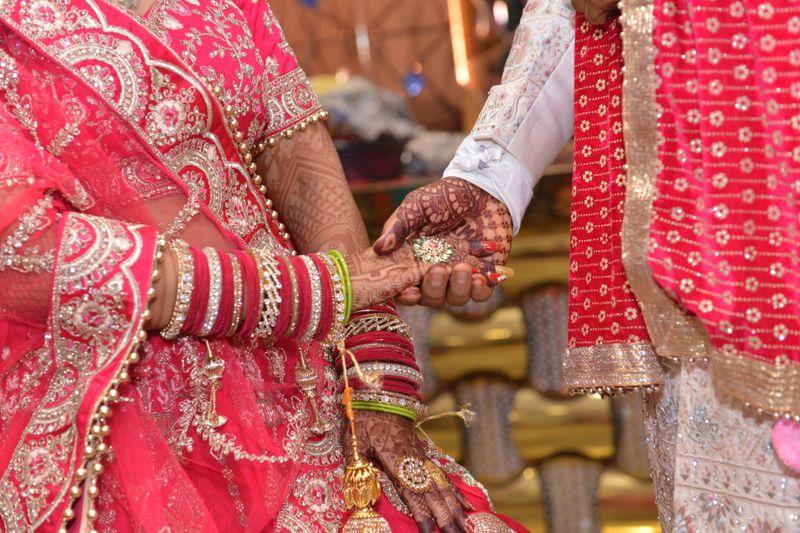
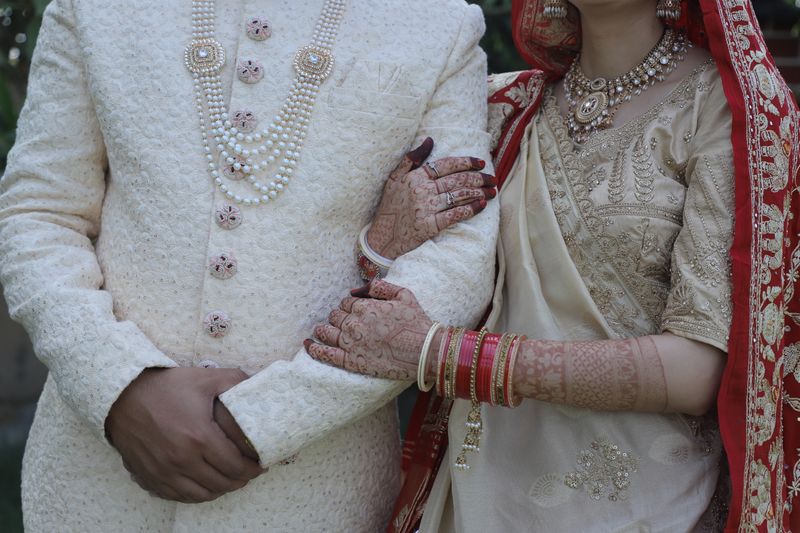
Applying henna to the bride, and sometimes to others, is practised across South Asia, the Middle East, North Africa and among Sephardi and Mizrahi Jewish communities. It is called mehndi in South Asia, and laylat al-henna or a similar name in Arabic-speaking communities, with the customs around it differing considerably. It is a cultural practice rather than a religious requirement, and it appears among Hindu, Muslim, Sikh and Jewish families in different regions.
The application takes hours, which is part of the point, since the event is the gathering rather than the decoration. Practical planning matters here, as henna needs time to dry and set and cannot be rushed on a tight schedule.
Turmeric and purification rites
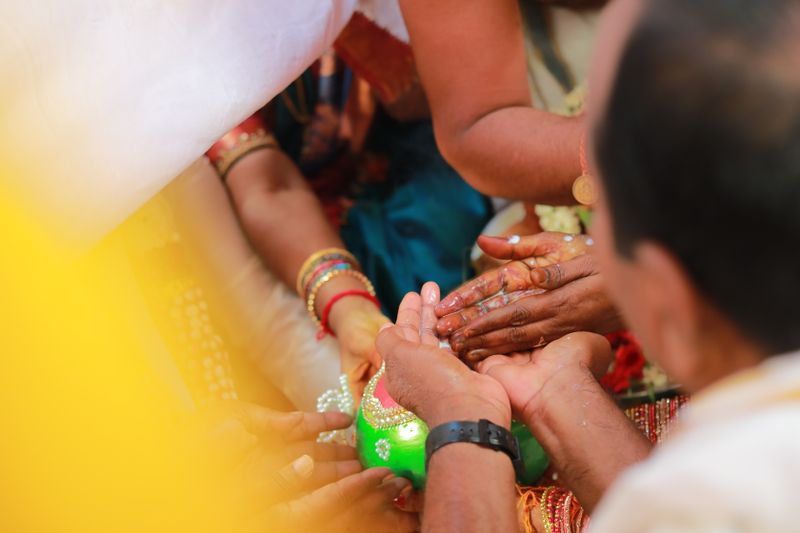
In many Hindu and other South Asian communities a haldi or pithi ceremony involves applying turmeric paste to the couple, usually by family members. In Bengali tradition the equivalent is gaye holud, and the details of who applies it and in what order differ by region. The rite is generally understood in terms of blessing, purification and preparation rather than as a decorative custom.
The decision that unlocks the rest: it stains clothes and skin, which is expected, and planning around it means old clothes and a space that can be cleaned. Similar preparatory and blessing rites appear in many other cultures under quite different names and forms.
Music, dancing and performance
The sangeet, an evening of music and dance in which families perform, has become a major event in many South Asian weddings. Historically a gathering of women with singing, it is now commonly a large mixed celebration with rehearsed performances. Equivalent gatherings exist elsewhere, from rehearsal dinners with speeches to evenings of traditional song in many communities.
On the day itself, these events give family members a role, which matters more than most couples realise for people who otherwise only watch.
Rehearsal time and a clear running order prevent an evening of performances from overrunning by hours.
Other pre-wedding observances
Some traditions include formal meetings between the families, engagement or betrothal ceremonies, and rites at a place of worship. In several communities there are observances involving the couple's separation, fasting, or blessings from elders in the days before. Ancestor observances appear in a number of East and Southeast Asian traditions, held at the family altar before the wedding proper.
On the run sheet, where these exist they are usually not optional in the family's eyes, so establishing what is expected early avoids a late scramble. Ask both families what they expect to happen in the week before, since the answer is often longer than the couple assumed.
Venue contracts are negotiable well before signature and almost never afterwards.
Planning them properly
Each event needs its own guest list, its own venue, its own catering and its own host, and merging them into one plan hides the workload. Guests who have travelled will attend everything, so pace the schedule with at least one genuinely free period.
Consider what the couple actually needs, which is usually rest before the main day rather than another late evening. Where different families host different events, agree the budgets and the decision rights for each one separately. A well-run week of smaller events is remembered more fondly than an exhausting one leading to a wedding nobody enjoyed.
The takeaway
Plan the days before as real events, and leave at least one afternoon with nothing in it.
It is a party with paperwork attached. Keep them in that order.
Questions readers ask
Are pre-wedding ceremonies religious requirements?
Mostly not. Henna nights, turmeric ceremonies and music evenings are cultural practices, and they appear across religious lines in the same regions. Your family's expectations are the real constraint.
How many events is too many?
When guests are tired before the wedding or the couple has had no rest, you have passed the point. Look at the schedule from the position of someone who has flown in for all of it.
Also by Ruchika Sethi
- What Suppliers Are Really Asking For When They Want Your TimingsPlanning & Timeline
- How Long an Engagement Needs, Counted Backwards From the ConstraintsPlanning & Timeline
- One Person Holding the Plan Beats Four People Holding FragmentsPlanning & Timeline
- The Questions to Ask on a Venue Visit That Nobody Puts on the ListVenues