Ceremonies & Rituals
Rings, Garlands and the Objects That Do the Work
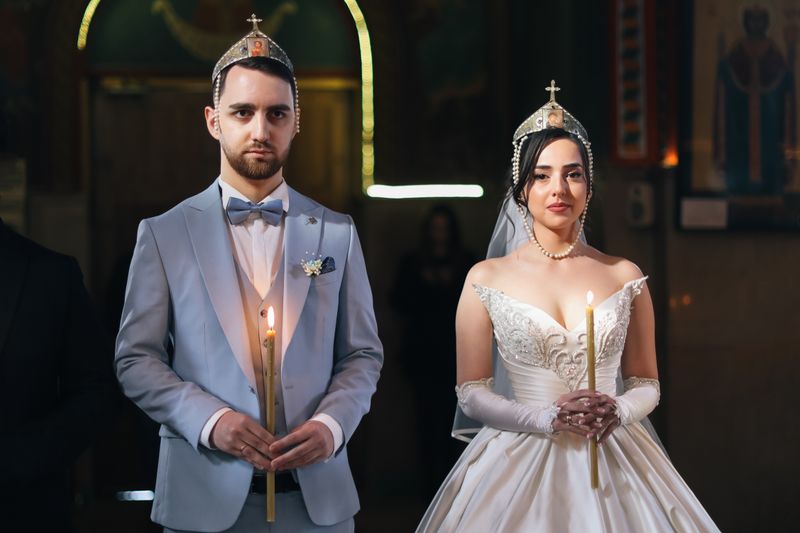
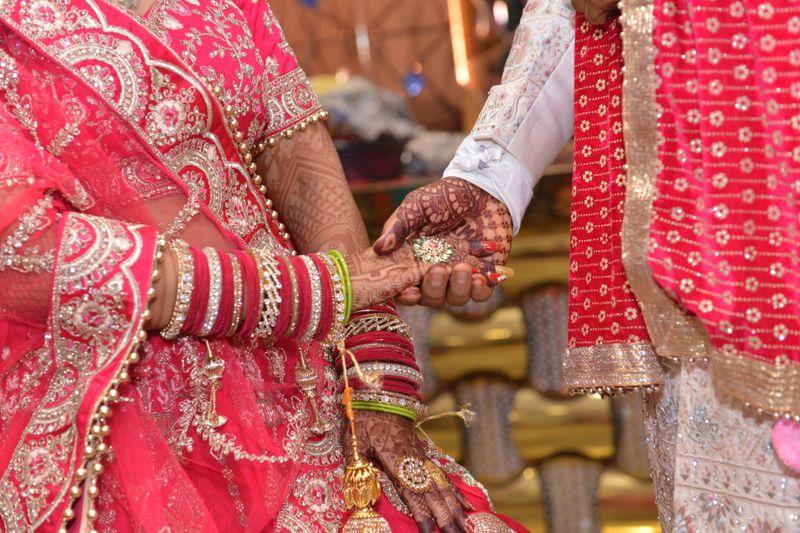
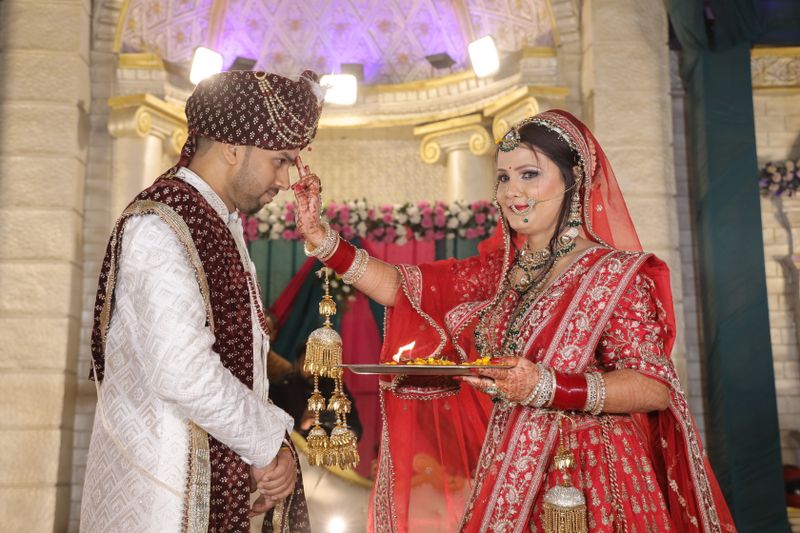
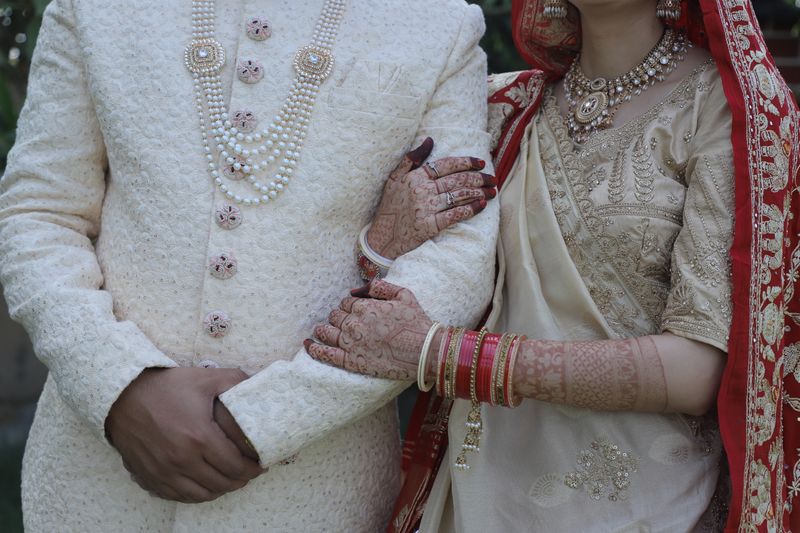
Wedding traditions worldwide hand a physical object between the couple at the decisive moment. The object exists to make an abstract agreement visible and repeatable to everyone watching.
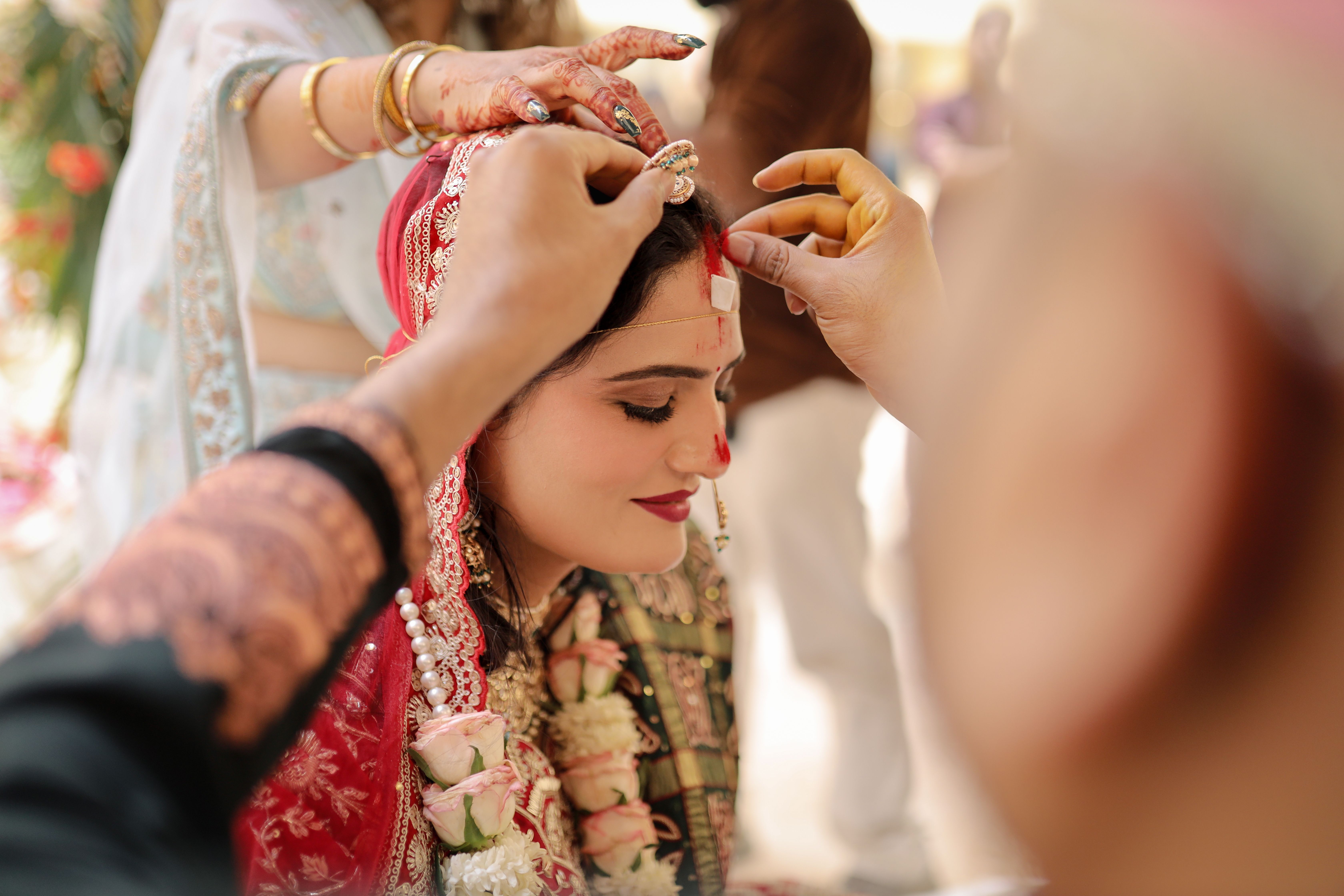
Wedding ceremonies across unrelated cultures share one structural feature: at the crucial moment, something physical passes between two people. The object varies enormously, the function does not.
An agreement needs a visible act
A marriage is a change in status, and status changes are invisible. Words alone are hard to see from the back of a room and hard to remember precisely afterwards.
Handing over an object makes the moment legible. Everyone present can see it happen, agree that it happened, and describe it later in the same terms.
This is the same reason contracts are signed rather than merely agreed. The physical act creates a shared, witnessed point in time that nobody has to reconstruct.
Rings carry the meaning by being worn
A ring's particular quality is persistence. It stays on the body after the ceremony, which turns a single moment into an ongoing public statement.
The circle symbolism is often cited, but the practical property matters more. A ring is small, durable and difficult to lose, and it is visible in ordinary daily contact.
Exchange also matters. Both parties giving and both receiving encodes mutuality, which is why the modern double-ring pattern spread quickly once it became common.
Garlands, cloths and cords do it differently
Many traditions use objects that bind rather than adorn. Garlands exchanged between a couple, cords wrapped around them, or cloths tied together all express joining physically.
These acts are usually performed once and then undone, so the meaning lives in the moment rather than in continued wear. The photograph often becomes the lasting object.
Some traditions combine both: a temporary binding during the ceremony and a permanent item, such as a necklace or bangle, given at the same time.
The object often carries the legal weight
In some systems the transfer is not symbolic at all. Where a marriage contract specifies a gift from one party to the other, handing it over is part of what makes the marriage valid.
Elsewhere the object is purely customary and the legal act is the signature. The two can look identical to a guest while being completely different in effect.
Couples blending traditions run into this directly. Knowing which elements are load-bearing and which are decorative determines what can be adapted and what cannot.
Practicalities decide more than couples expect
Who holds the rings until the moment arrives, and where they physically are, is a genuine planning question. Ceremonies stall while pockets are searched.
Fit is another. Fingers swell in heat and after travel, and a ring that slipped on easily at a fitting can refuse to go past a knuckle in front of everyone.
Officiants tend to have seen all of it and will usually keep talking through a fumble. The moment survives, but a rehearsal removes most of the risk.
Questions readers ask
Why are there no vows exchanged?
The commitment is expressed through the Laavan and the couple's assent before the Guru Granth Sahib. The hymns describe the union rather than the couple promising things to each other in the Western form.
Can the Anand Karaj be held outside a gurdwara?
It can where the Guru Granth Sahib can be installed and treated with the required respect, which is a significant practical undertaking. Discuss it with the gurdwara well in advance.
Also by Preeti Ramnani
- The Nikah: Consent, Witnesses and the Mahr ExplainedCeremonies & Rituals
- Christian Wedding Ceremonies Differ Far More Than Most People ExpectCeremonies & Rituals
- Rituals That Honour Parents and Elders, and Why They MatterCeremonies & Rituals
- Building a Guest List by Rule Instead of by ArgumentGuests & Etiquette