Ceremonies & Rituals
Blessings and Second Ceremonies After a Legal Marriage
Many couples marry legally on one day and hold a ceremony on another. Separating the two removes constraints, but it creates questions about which day counts.
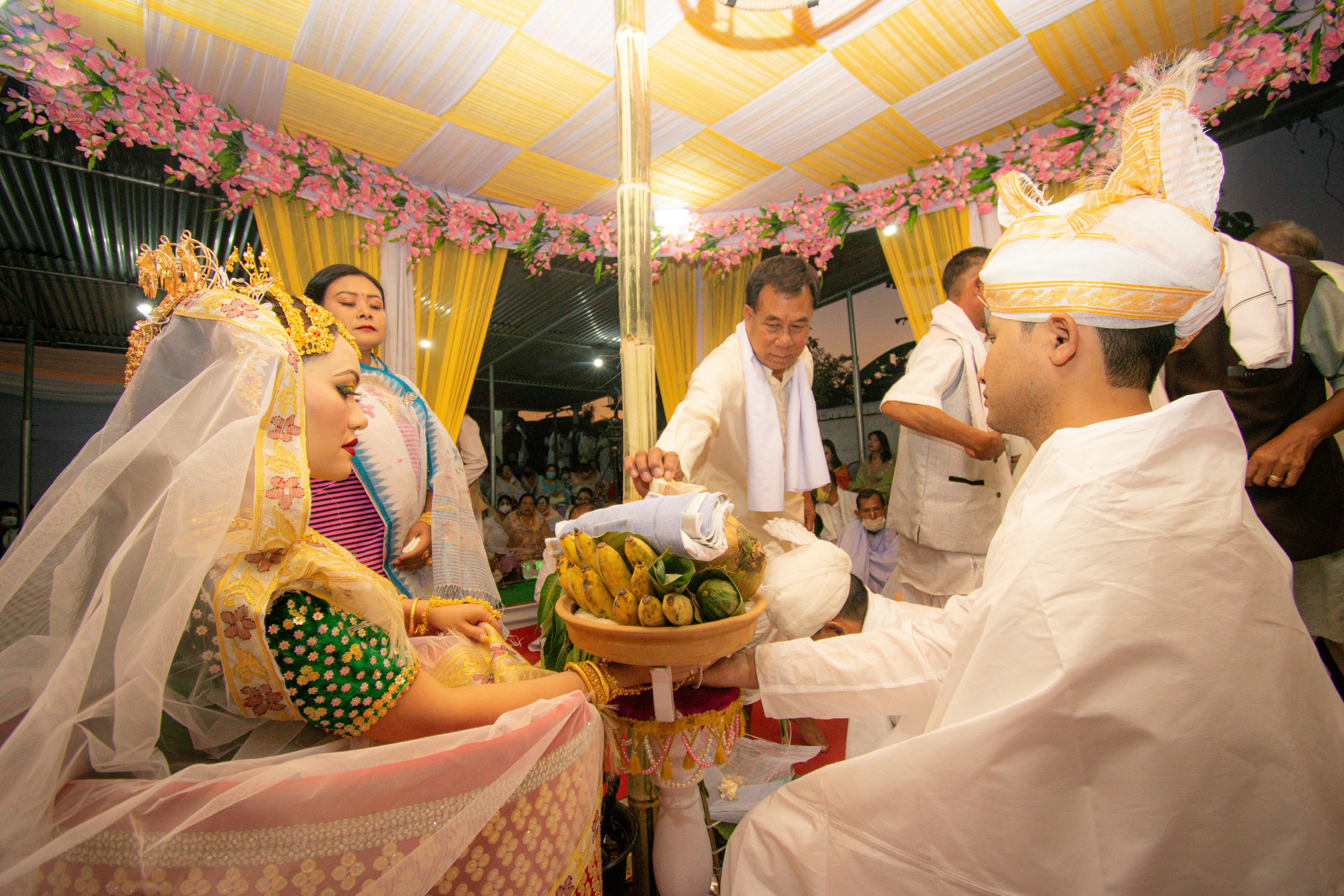
A growing number of couples complete the legal marriage quietly and hold the ceremony guests attend weeks or months later. The split solves several problems at once.
Why couples separate the two events
Legal marriage is bound by rules about venues, officiants, notice periods and wording. Those rules restrict where and how a ceremony can happen.
Once the legal act is complete, the celebration is unconstrained. It can take place on a beach, in a garden, in a family home, or in a country with awkward paperwork.
Cross-border couples often have no realistic alternative. Marrying where the documents are simple and celebrating where the family is can be the only workable route.
A blessing is a different kind of event
Religious blessings after a civil marriage are long established. The couple is already married, and the service recognises and blesses that marriage rather than creating it.
Many faith communities have a defined form for this, and it can differ noticeably from a wedding service. Vows may be absent, or phrased as renewal rather than promise.
It is worth asking what the specific form involves. Couples sometimes expect a full wedding service and find the shape unfamiliar on the day.
The wording has to be honest
A celebrant leading a non-legal ceremony cannot pronounce a couple married if they already are, and in some places cannot use certain phrasing at all.
Most handle this by acknowledging the legal marriage openly at the start. Guests take it perfectly well, and it removes the discomfort of a pretence everybody can sense.
The alternative, staging the legal moment as though it were happening, tends to unravel when someone asks about the certificate date.
Telling guests, and when
The awkwardness is social rather than legal. Relatives who were not at the signing sometimes feel they missed the real event.
Saying so in advance works better than a reveal. If the invitation explains that the legal marriage happened quietly and this is the celebration, expectations arrive already set.
Couples who keep it back usually do so to protect the surprise, and it rarely lands as intended. The information is not dramatic; concealing it makes it seem so.
Two dates, and which one you keep
Practically, the couple ends up with an anniversary question. The certificate carries one date and the memories attach to another.
Most settle on celebrating the ceremony date, because that is the one shared with family. The legal date survives on documents and in official records.
It is worth agreeing which is which early, if only because forms, renewals and administrative processes will ask for the legal date and not the sentimental one.
Questions readers ask
Why are there no vows exchanged?
The commitment is expressed through the Laavan and the couple's assent before the Guru Granth Sahib. The hymns describe the union rather than the couple promising things to each other in the Western form.
Can the Anand Karaj be held outside a gurdwara?
It can where the Guru Granth Sahib can be installed and treated with the required respect, which is a significant practical undertaking. Discuss it with the gurdwara well in advance.
Also by Preeti Ramnani
- The Nikah: Consent, Witnesses and the Mahr ExplainedCeremonies & Rituals
- Christian Wedding Ceremonies Differ Far More Than Most People ExpectCeremonies & Rituals
- Rituals That Honour Parents and Elders, and Why They MatterCeremonies & Rituals
- Building a Guest List by Rule Instead of by ArgumentGuests & Etiquette