After the Wedding
The Day You Did Not Fully See, and How to Get Some of It Back
Couples experience their own wedding in fragments. Some of what you missed is recoverable, and some of it never was, which is worth knowing in advance.
There is a short answer about recovering the memory of your wedding day and a useful one, and they are not the same. What follows is the useful one.
The short version
- Couples typically remember the day in disconnected pieces.
- Guests hold parts of it that you can only get from them.
- Writing it down within days preserves far more than waiting.
Why the day is experienced in fragments
The couple are the only two people at a wedding who are approached continuously and never left to simply watch it. That means you see the beginning of many conversations and the end of almost none, and whole hours disappear entirely. Heightened emotion also affects how memory forms, which is why people recall single vivid moments rather than a sequence.
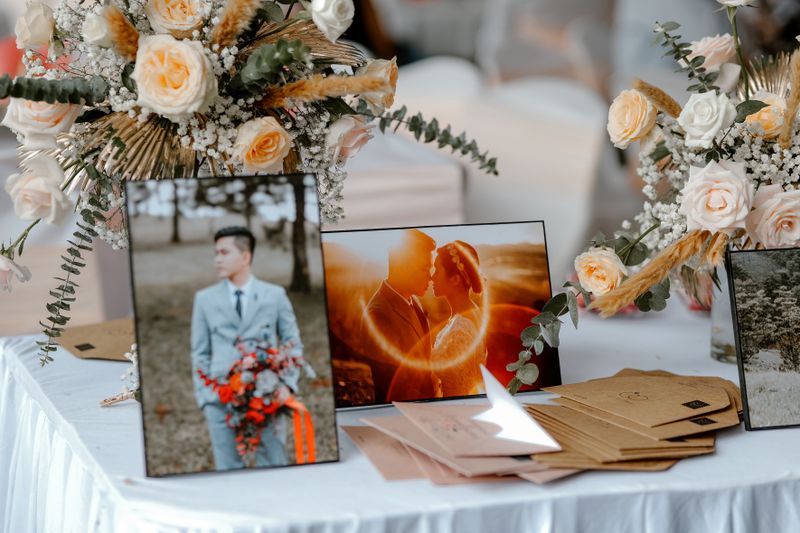
This is universal rather than a sign that you failed to be present, and expecting it in advance helps considerably. It is also the reason the photographs so often show things you have no memory of at all.
Writing it down early
Write down what you remember within the first few days, separately and then together, before the details flatten. Small things go first, including what somebody said, what the room smelled of and what you were thinking at a particular moment. The account does not need to be good, only quick, since the purpose is to capture detail rather than to produce something.
On the day itself, comparing your two versions is frequently the most enjoyable part, because each of you saw a different wedding. Almost every couple who does this says it is the thing they are most glad of a year later.
What guests can give you
Guests hold the parts of the day you were not present for, and most of them will never think to tell you unless asked. Asking a few people what they remember, a couple of weeks later, produces stories you would otherwise never hear.
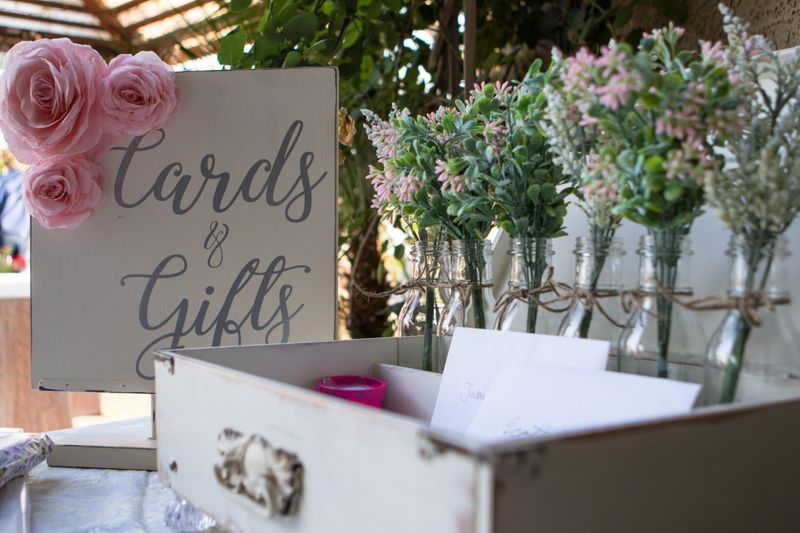
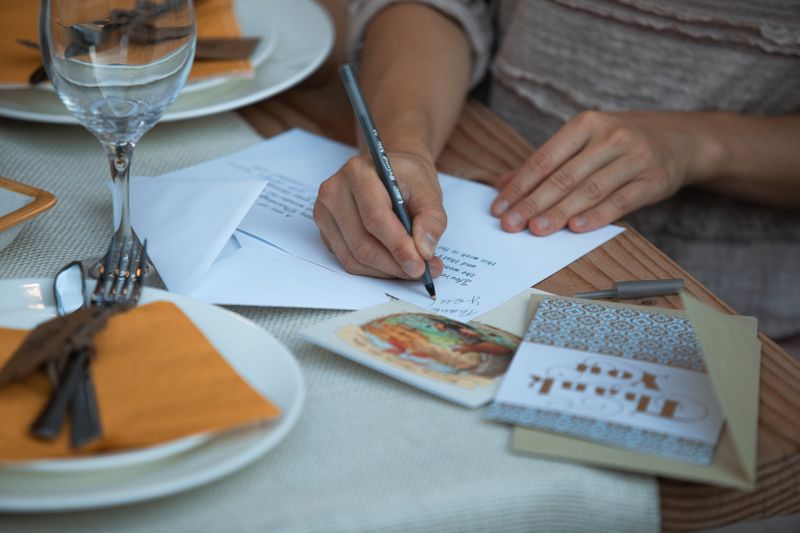
A guest book, message cards or a recorded message station capture some of this if arranged in advance. Photographs taken by guests catch a different day from the professional set, and collecting them early is worth the effort. People are pleased to be asked, and the asking is itself a good reason to be in touch afterwards.
Watching the record
Video, where you have it, is the only medium that returns the sound and the pace of the day rather than isolated moments. Many couples find the first viewing overwhelming and the second far more enjoyable, so it is worth watching twice. Speeches in particular are almost never remembered accurately by the people they were about.
If you have no video, ask whether anyone recorded parts on a phone, since fragments are better than nothing.
Wait a little before watching, since the first weeks are too close for it to land properly.
What cannot be recovered
Some of it is genuinely gone, including most of the conversations you half had and much of the middle of the day. Being told about it is not the same as having been there, and it is worth accepting that plainly rather than chasing it. This is one reason couples are advised to take a few minutes alone during the day, and the ones who do rarely regret it.
The other reliable advice is to eat something and to sit down once, both of which get lost in the hosting. Nothing you do will let you attend your own wedding as a guest, and the trade is generally worth it.
Venue contracts are negotiable well before signature and almost never afterwards.
Marking it afterwards
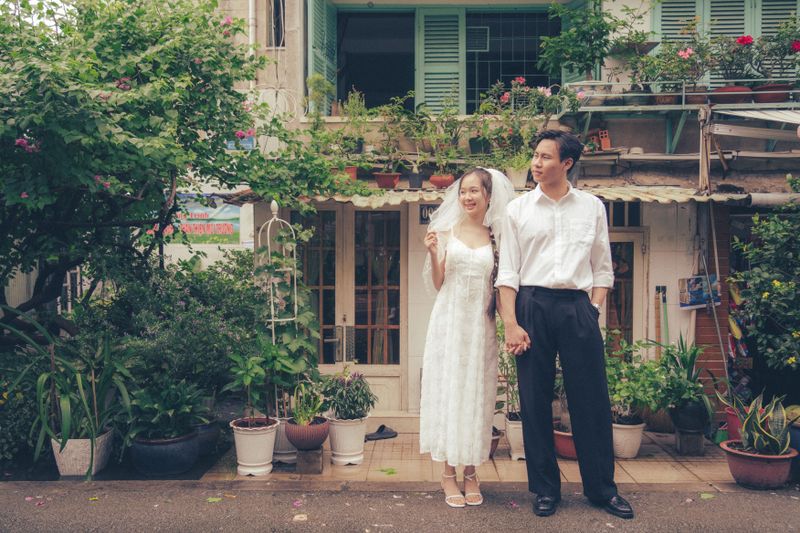
Some couples arrange a small gathering weeks later with the people they barely spoke to, which does real work. Others simply have a quiet evening together to talk through it, which costs nothing and closes the day properly.
The decision that unlocks the rest: sending photographs to older relatives who attended is one of the most appreciated things you can do afterwards. Where guests could not attend, sending something afterwards keeps them included rather than reminded of the absence. The day ends when you decide it has, and deciding deliberately is better than letting it dissolve into admin.
The takeaway
Write it down within the week and ask a few guests what they saw, because most of the day happened while you were being spoken to.
It is a party with paperwork attached. Keep them in that order.
Questions readers ask
Is it normal not to remember much of the day?
Entirely. Couples are approached continuously and never get to watch, and heightened emotion produces vivid fragments rather than a sequence. Almost everyone reports it.
What is the best way to remember more?
Write down what you recall within a few days, separately and then together, and ask a handful of guests what they remember. Both take under an hour and preserve far more than photographs alone.
Also by Ruchika Sethi
- What Suppliers Are Really Asking For When They Want Your TimingsPlanning & Timeline
- How Long an Engagement Needs, Counted Backwards From the ConstraintsPlanning & Timeline
- One Person Holding the Plan Beats Four People Holding FragmentsPlanning & Timeline
- The Questions to Ask on a Venue Visit That Nobody Puts on the ListVenues