Planning & Timeline
Choosing a Date Around Everything That Constrains It
A wedding date is rarely chosen freely. It is the last remaining option after venue availability, key people, season, cost and notice periods have each removed dates.
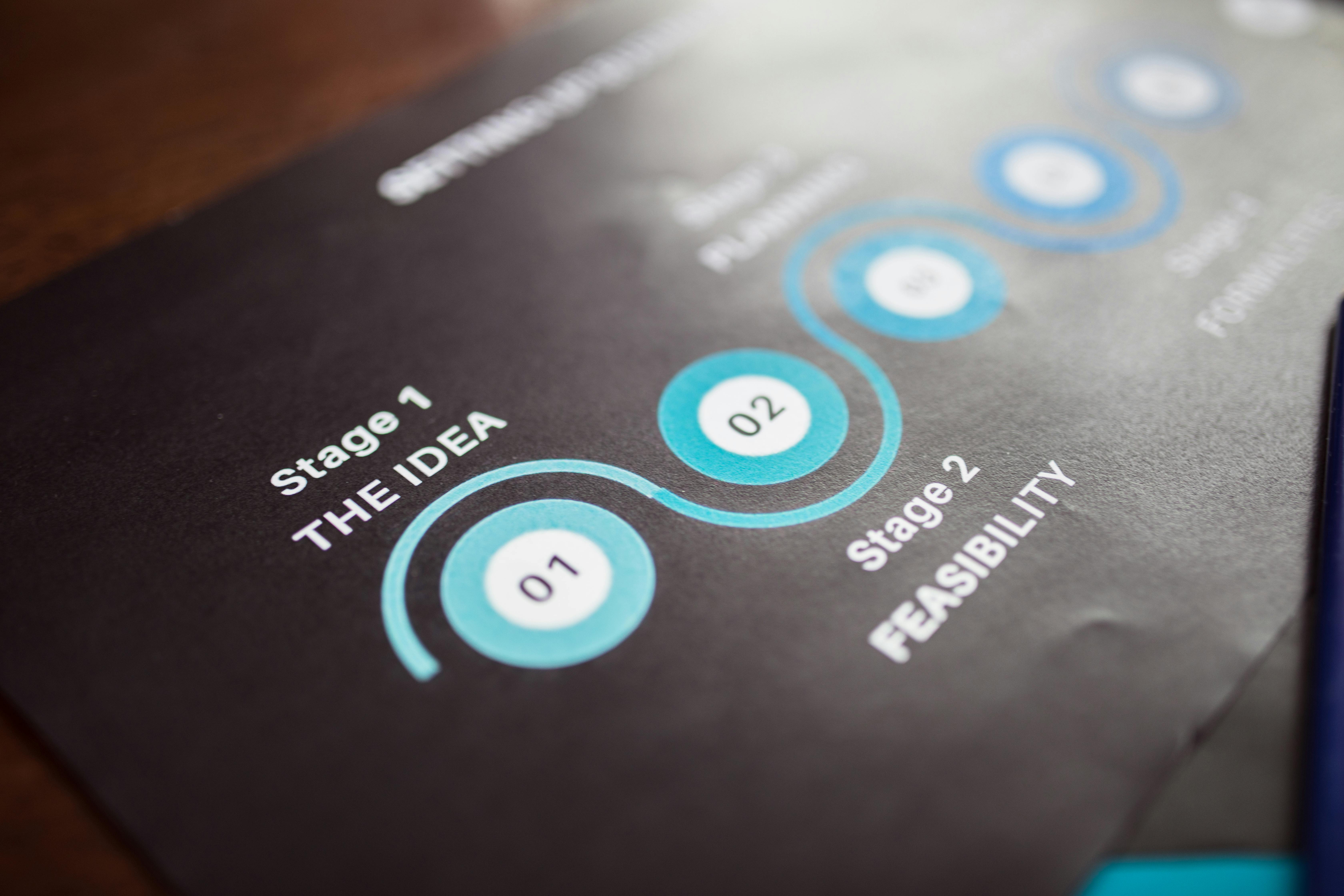
Couples usually begin by picking a date and then looking for a venue. In practice the date is an output of several constraints rather than a starting point.
Availability removes most of the calendar first
Popular venues book far ahead, and the dates that remain are not evenly distributed. Saturdays in peak season disappear first and by a long margin.
The same applies to sought-after suppliers. A photographer, band or caterer a couple has settled on will have a diary that overlaps only partially with the venue's.
Working the other way round is faster. Collecting available dates from the two or three fixed decisions first leaves a shortlist, and the date emerges from the overlap.
A small number of people genuinely must attend
Every wedding has a handful of people whose absence would change the day: parents, siblings, someone in poor health, a person travelling from far away.
Their constraints are real and often invisible until asked. Term dates, shift patterns, visa timing and existing commitments all rule out blocks of the calendar.
Asking that short list before booking anything costs one round of messages. Discovering the conflict after a deposit is paid costs considerably more.
Season decides more than weather
The obvious factor is rain, but season also determines daylight, which sets when photographs are possible and how the evening feels.
It drives cost as well. Peak months carry premium pricing across venues, accommodation and travel, and the same wedding is materially cheaper outside them.
Off-season has its own trade-offs: shorter days, more weather risk, and guests less inclined to travel. Neither direction is simply better.
Legal notice sets a floor
Most jurisdictions require notice of an intended marriage some weeks in advance, and that notice often cannot be given more than a set period ahead either.
That creates a window rather than a deadline, and it is easy to miss in the direction of being too early. Couples booking two years out sometimes cannot give notice yet.
Where either party is a foreign national, additional documentation and longer timelines usually apply. Requirements vary by country and change, so they need checking directly.
Dates carry meaning that outlasts the day
An anniversary is used for decades, so it is worth a moment's thought about what else sits on that date in the family calendar.
Sharing a date with a bereavement, or with a relative's own anniversary, is not necessarily a problem, but it should be a decision rather than an accident.
Practical points matter too. A date next to a public holiday helps travelling guests, and a memorable one is genuinely easier to remember years later.
Questions readers ask
Do we need a run sheet for a small wedding?
A short one, yes. Small weddings have fewer lines but the same joins, and with fewer helpers a missing owner is more obvious rather than less.
Who should hold the run sheet if we have no coordinator?
Someone who is not in the wedding party and not making a speech. The role needs to be free to walk away and chase something without being missed.
Also by Aparna Kulkarni
- Planner, Coordinator or Venue Manager: Three Jobs People Keep ConfusingPlanning & Timeline
- Decision Fatigue Is the Real Cost of Planning a WeddingPlanning & Timeline
- The Planning Document That Replaces Nineteen Browser TabsPlanning & Timeline
- Planning a Wedding When Half the Family Lives on Another ContinentPlanning & Timeline