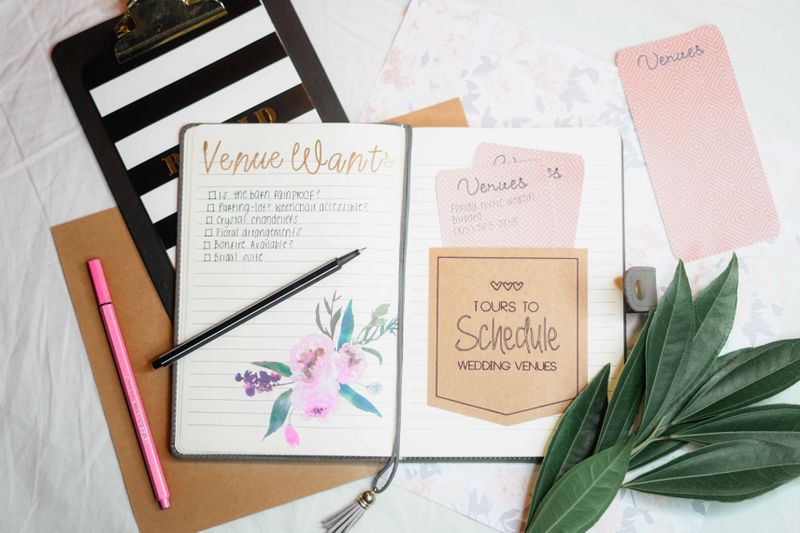
Planning & Timeline
The Order to Decide Things In, and What Breaks When You Reverse It
Wedding planning is a dependency chain, not a checklist. Doing the easy decisions first feels productive and creates most of the rework.
This is less a set of instructions about the dependency chain behind wedding decisions than an argument, and it is worth saying so at the start.
The argument in brief
- Guest numbers and venue constrain nearly everything downstream.
- Reversible decisions can safely wait; irreversible ones cannot.
- Rework usually traces back to a decision taken out of sequence.
Why order matters more than speed
Every wedding decision either constrains later ones or is constrained by them, and the whole exercise gets calmer once you can tell which is which. Choosing stationery before you know the guest count means reprinting; choosing a dress silhouette before the venue is usually fine because nothing depends on it. The instinct is to start with the enjoyable choices, which are almost always the dependent ones, so the pleasant work has to be redone after the hard work catches up.
A short conversation about sequence at the beginning removes more stress than any amount of energetic activity later. The chain is short enough to write on one page, and most couples never write it down at all.
The two decisions everything hangs from
A rough guest number and a venue sit at the top, because between them they determine cost shape, catering, layout, transport and the tone of the day. They are also mutually constraining, which is why they have to be settled together rather than one before the other in a strict order.
Once the deposit is paid, work with a range rather than a list at this stage, since a range is enough to filter venues and a list takes months to agree. Once those two are fixed you can answer almost any supplier question without further consultation, which is what unblocks everything else. Couples who stall here usually stall because they are trying to settle the guest list emotionally before settling it structurally.
The long-lead bookings
Photographers, caterers, bands and anyone who can only be in one place at a time are booked on a date, so they compete directly with other couples. These follow the venue because most of them price and plan around the building, but they should not wait for anything else at all.
On the run sheet, officiants and celebrants belong in this group, and religious ceremonies often need the date agreed with the institution well ahead of the reception booking. Any legal formalities also start here, because most countries require some step before the ceremony and the lead time is entirely outside your control. Anything in this tier that slips tends to cost either money or your first choice of person.
The decisions that can safely wait
Table plans, favours, playlists, readings, hair trials and the running order of speeches are all late decisions with no downstream dependencies worth worrying about. Making them early is not harmless, because circumstances change and an early decision made twice is worse than one made once at the right time. A table plan built before the replies are in will be rebuilt, and rebuilding it feels like failure even though it was always going to happen.
Parking these deliberately, with a note of when they become live, stops them from generating background anxiety in the meantime.
The relief of a written not-yet list is out of proportion to how simple it is.
Testing a decision before you make it
Ask what else changes if this answer changes, and if the honest answer is nothing, the decision is cheap and can be made quickly or postponed freely. Ask whether it can be undone, and at what cost, because reversible decisions deserve much less deliberation than they usually receive. Ask who else needs to know the answer, since a decision three suppliers are waiting on outranks one only you care about.
Those three questions sort almost any wedding question into urgent, flexible or irrelevant within about a minute. Applied consistently, they also stop family opinions from reordering the queue on the strength of whoever spoke most recently.
Quoted costs rarely include service charges, taxes or overtime, and all three arrive later.
A sequence that survives contact with reality
Settle a guest range and a budget shape, then the venue and date, then the people who can only be in one place, then everything the venue needs from you. Stationery follows the guest list, the guest list follows the venue capacity, and the seating plan follows the replies, in that order every time. The last month should contain confirmations and a run sheet rather than choices, and if it contains choices something upstream slipped.
Once the deposit is paid, building a schedule that ends a fortnight before the day, not on it, absorbs the delays that always arrive. No sequence is universal, but any written sequence beats deciding whatever is loudest that week.
The takeaway
Decide what constrains, not what appeals, and the appealing decisions get easier anyway.
It is a party with paperwork attached. Keep them in that order.
Questions readers ask
What if we cannot agree on numbers early on?
Agree a ceiling instead of a list. A maximum is far easier to settle than a set of names, and it is all a venue actually needs to answer your enquiry.
We have already done things out of order. Is that fatal?
Rarely. Work out which decisions are now constraining others, and treat those as fixed unless the cost of changing them is genuinely lower than the cost of working around them.