After the Wedding
Why Wedding Videos Take Longer and Land Differently
Video arrives months after photographs and affects couples more strongly. The delay is editing, and the effect comes from recovering sound the couple never properly heard.
Couples who commission video receive it long after the photographs and usually react to it more intensely. Both facts have straightforward explanations.
Editing is the slow part, not filming
A wedding produces many hours of footage from several cameras, and every one of those hours has to be watched before anything can be cut.
Audio comes from separate recorders on the officiant, the speakers and the room, and synchronising those sources is work that precedes any creative decision.
The finished piece is a small fraction of what was recorded, and the reduction is done by hand. Delivery times measured in months reflect the actual labour involved.
Sound is what makes video different
Photographs record appearance. Video records voices, and the couple's memory of the ceremony and speeches is the least reliable part of their recollection.
Hearing the vows again, spoken rather than remembered, is consistently the moment couples describe as unexpected.
It is also why audio quality matters more than image quality in a wedding film, and why videographers care so much about microphone placement.
Video captures duration, which photographs cannot
A photograph shows a moment. Video shows how long something took, how people moved, and what happened immediately before and after.
That includes material the couple was not present for: guests arriving, reactions during the ceremony, and conversations happening elsewhere in the room.
It is the closest available record of the day as an event rather than as a series of images, which is why it often shows couples parts they missed entirely.
The delay changes how it is received
By the time a film arrives, the wedding has receded and daily life has resumed. The material lands on a different person from the one who was there.
Photographs, arriving sooner, are absorbed while the day is still fresh and function partly as confirmation of what is remembered.
Video arriving later works more like retrieval, which is why the reaction is stronger even when the content overlaps heavily with the photographs.
Keeping it usable requires the same care as photographs
Video files are larger and more format-dependent than images, so they are more vulnerable to being unplayable in a decade.
Storing the delivered files rather than relying on a streaming link matters, since hosting links expire and services close.
Requesting the raw ceremony and speech audio, where the videographer will provide it, preserves the part that carries most of the value if everything else is lost.
Questions readers ask
How long do we have to send thank-you notes?
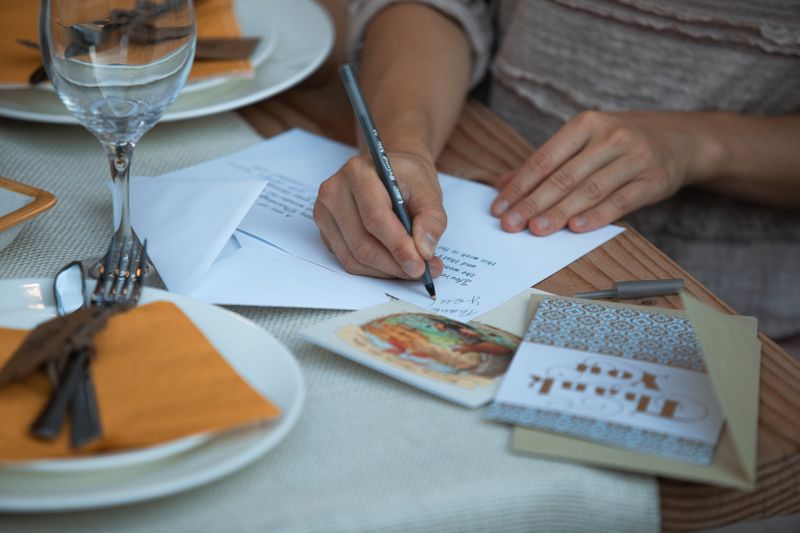
Conventions vary and none of them are enforced. Sooner is better because the details are fresher, but a note several months late is still very welcome.
Do we need to thank people who gave nothing?
Anyone who travelled a long way, helped in the planning or took on a role is worth thanking. Attendance often costs more than a gift, particularly for guests coming from abroad.
Also by Aparna Kulkarni
- A Run Sheet Is Not a Schedule, and the Difference Shows on the DayPlanning & Timeline
- Planner, Coordinator or Venue Manager: Three Jobs People Keep ConfusingPlanning & Timeline
- Decision Fatigue Is the Real Cost of Planning a WeddingPlanning & Timeline
- The Planning Document That Replaces Nineteen Browser TabsPlanning & Timeline