After the Wedding
Who Owns Your Wedding Photographs
The photographer generally holds the copyright while the couple holds a license, and the difference decides what you may print, publish and hand to other people.
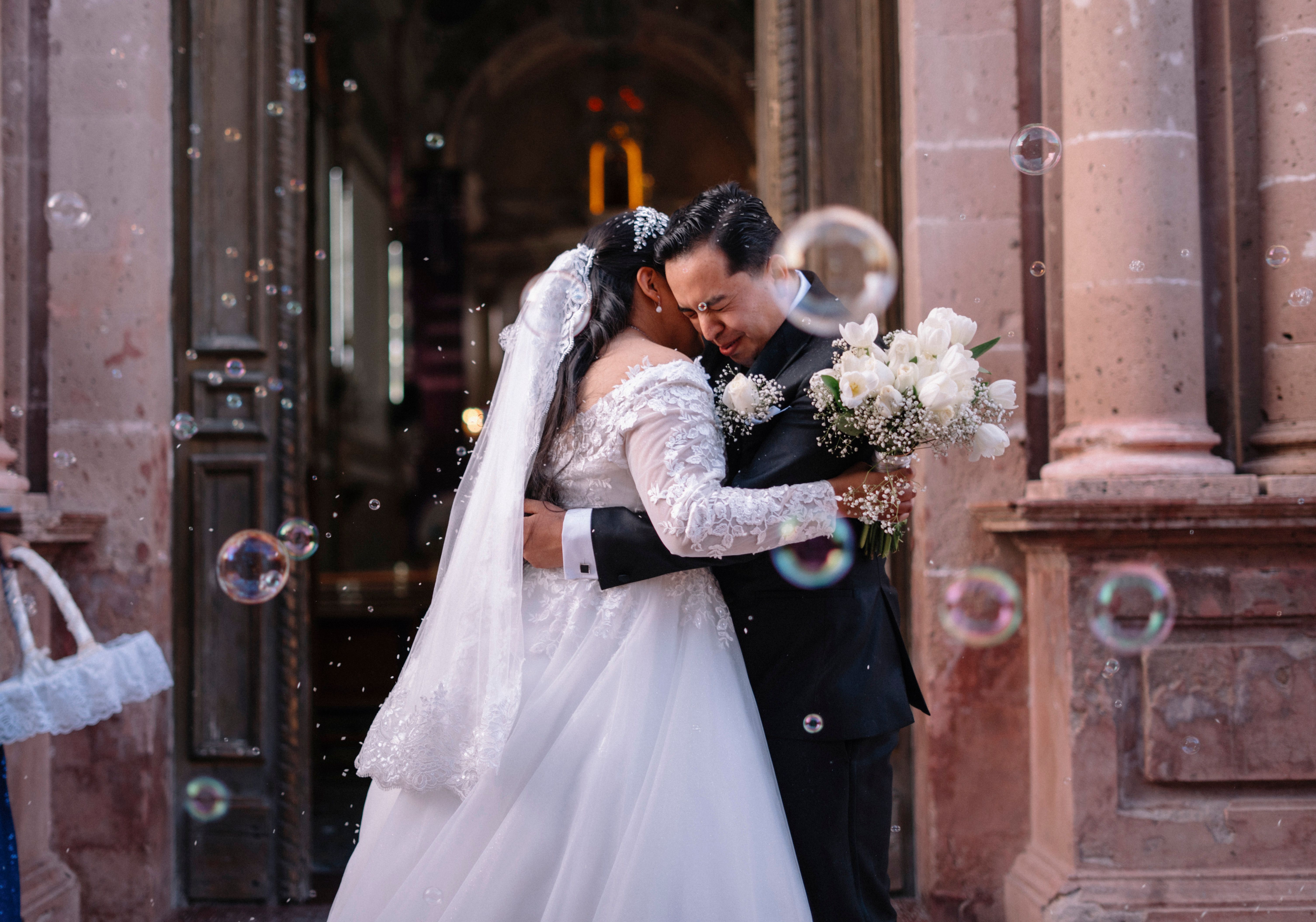
Couples routinely assume that paying for wedding photography buys the photographs outright. In American practice it usually buys a license, and the distinction shapes what you can do with the images.
Copyright generally sits with the person who took the picture
Under United States copyright law the author of a photograph is ordinarily the photographer, and copyright arises automatically when the image is created.
Paying for a service does not by itself transfer that copyright. A transfer generally requires a written agreement saying so, which most wedding contracts do not include.
The result is a split that surprises people: the couple is in the photographs, has paid for them, and still does not own the underlying rights to them.
What a print release actually grants
Most contracts instead give the couple a license, often called a print release, setting out permitted uses. It is permission, defined by its terms.
Typical terms allow personal use, printing and sharing with family, while reserving commercial use. Some restrict which labs may print, or forbid editing and cropping the delivered files.
Because the terms differ between photographers, the only way to know what you have is to read the clause rather than infer it from what a friend was allowed to do.
The photographer's own use of the images
Contracts commonly reserve the right for the photographer to use images in a portfolio, on social accounts, in competitions and in advertising their own work.
Couples who would rather not appear in marketing can usually raise it before signing. It is a negotiable term, and it is far easier to change before the wedding than after.
The reverse also applies. Photographers depend on published work to book the next season, so a blanket refusal may affect pricing or willingness to take the job.
Guest photographs are a separate question
Images taken by guests belong to those guests, which is why a couple cannot simply treat a friend's photographs as part of their own collection.
In practice this is handled by asking rather than by law. A shared album that guests upload to gets the pictures into one place with permission implied by the act of uploading.
Where a picture might be used publicly, asking the person who took it costs one message and settles the question properly.
Where this becomes a legal question
Most disputes are avoided by reading the contract before signing and asking for the specific permissions you expect to use.
Genuine conflicts, such as a photographer who never delivers, or a use that goes well beyond the license, involve contract and copyright issues that vary by circumstance.
Those are situations for an attorney rather than for a forum thread. The general framework is stable, but how it applies to one contract is not something to assume.
Questions readers ask
How long do we have to send thank-you notes?
Conventions vary and none of them are enforced. Sooner is better because the details are fresher, but a note several months late is still very welcome.
Do we need to thank people who gave nothing?
Anyone who travelled a long way, helped in the planning or took on a role is worth thanking. Attendance often costs more than a gift, particularly for guests coming from abroad.
Also by Aparna Kulkarni
- A Run Sheet Is Not a Schedule, and the Difference Shows on the DayPlanning & Timeline
- Planner, Coordinator or Venue Manager: Three Jobs People Keep ConfusingPlanning & Timeline
- Decision Fatigue Is the Real Cost of Planning a WeddingPlanning & Timeline
- The Planning Document That Replaces Nineteen Browser TabsPlanning & Timeline