After the Wedding
The Wedding Party Friendships That Change Afterwards
A wedding party creates intense shared work that ends abruptly, and the quiet drop in contact afterwards has structural causes rather than emotional ones.
Wedding parties are formed for a project and dissolved when it ends. The drop in contact that follows surprises people because it feels personal, and it usually is not.
The group existed to do something
For months the wedding party has a shared task, a group chat with a purpose, and a deadline everyone is working toward. Contact is high because there is a reason for it.
When the task completes, the reason disappears. What remains is a set of individual friendships that may not have much to do with each other.
Groups that were assembled across different parts of a life, college friends beside cousins beside coworkers, have nothing holding them together once the wedding is over.
The couple becomes less available at the same time
Newly married couples typically reduce their social surface area for a while. Some of that is exhaustion, some is finances, and some is simply having spent a year saying yes to everything.
Friends read that pullback as a change in the friendship rather than as a recovery period, particularly if they invested heavily in the year that preceded it.
The asymmetry is worth naming. The couple has been the center of attention for months and is relieved when it stops. The friends who organized around them notice the silence.
Money makes some of this harder to say
Standing in a wedding party in the United States often involves real expense: attire, travel, a shower, a bachelor or bachelorette weekend, and a gift.
People rarely mention what it cost them, and the resulting resentment surfaces indirectly, as reduced enthusiasm rather than as a stated grievance.
Couples who acknowledged the cost during the planning, and who were willing to hear that somebody could not afford a piece of it, tend to come out of it with the friendship intact.
Reciprocity arrives on a delay
Friends who stood in your wedding often marry later, and the obligation returns years afterwards rather than immediately.
Being reliable at that point matters more than anything said in a toast. Showing up, on time, having read the instructions, is the whole of it.
Couples who disappeared entirely after their own wedding find this awkward, because the relationship has to be restarted before it can be used.
Keeping something without keeping everything
The realistic goal is not to preserve the group. It is to keep the individual friendships that existed before the wedding gave them a schedule.
That means initiating contact that has nothing to do with weddings, which is harder than it sounds after a year in which every conversation had an agenda.
A short message about something unrelated, sent first, does more than a group chat that everyone keeps muted and nobody has the standing to revive.
Questions readers ask
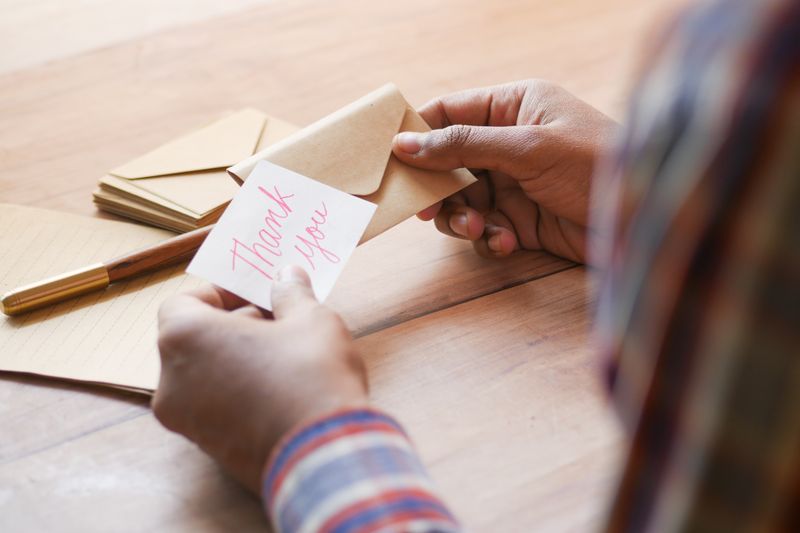
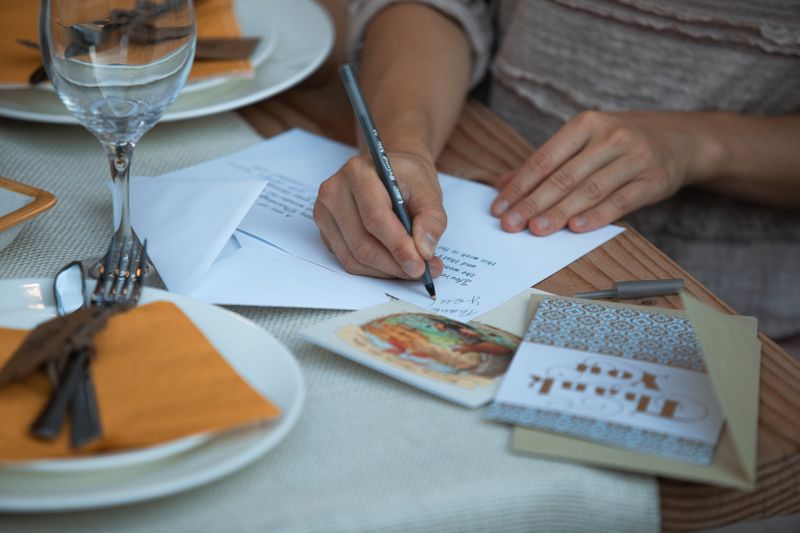
How long do we have to send thank-you notes?
Conventions vary and none of them are enforced. Sooner is better because the details are fresher, but a note several months late is still very welcome.
Do we need to thank people who gave nothing?
Anyone who travelled a long way, helped in the planning or took on a role is worth thanking. Attendance often costs more than a gift, particularly for guests coming from abroad.
Also by Aparna Kulkarni
- A Run Sheet Is Not a Schedule, and the Difference Shows on the DayPlanning & Timeline
- Planner, Coordinator or Venue Manager: Three Jobs People Keep ConfusingPlanning & Timeline
- Decision Fatigue Is the Real Cost of Planning a WeddingPlanning & Timeline
- The Planning Document That Replaces Nineteen Browser TabsPlanning & Timeline