After the Wedding
Telling the Story Afterwards Without Boring Everyone
Couples want to talk about their wedding and quickly sense that others have stopped listening. The mismatch is about what was interesting to whom, and it is navigable.
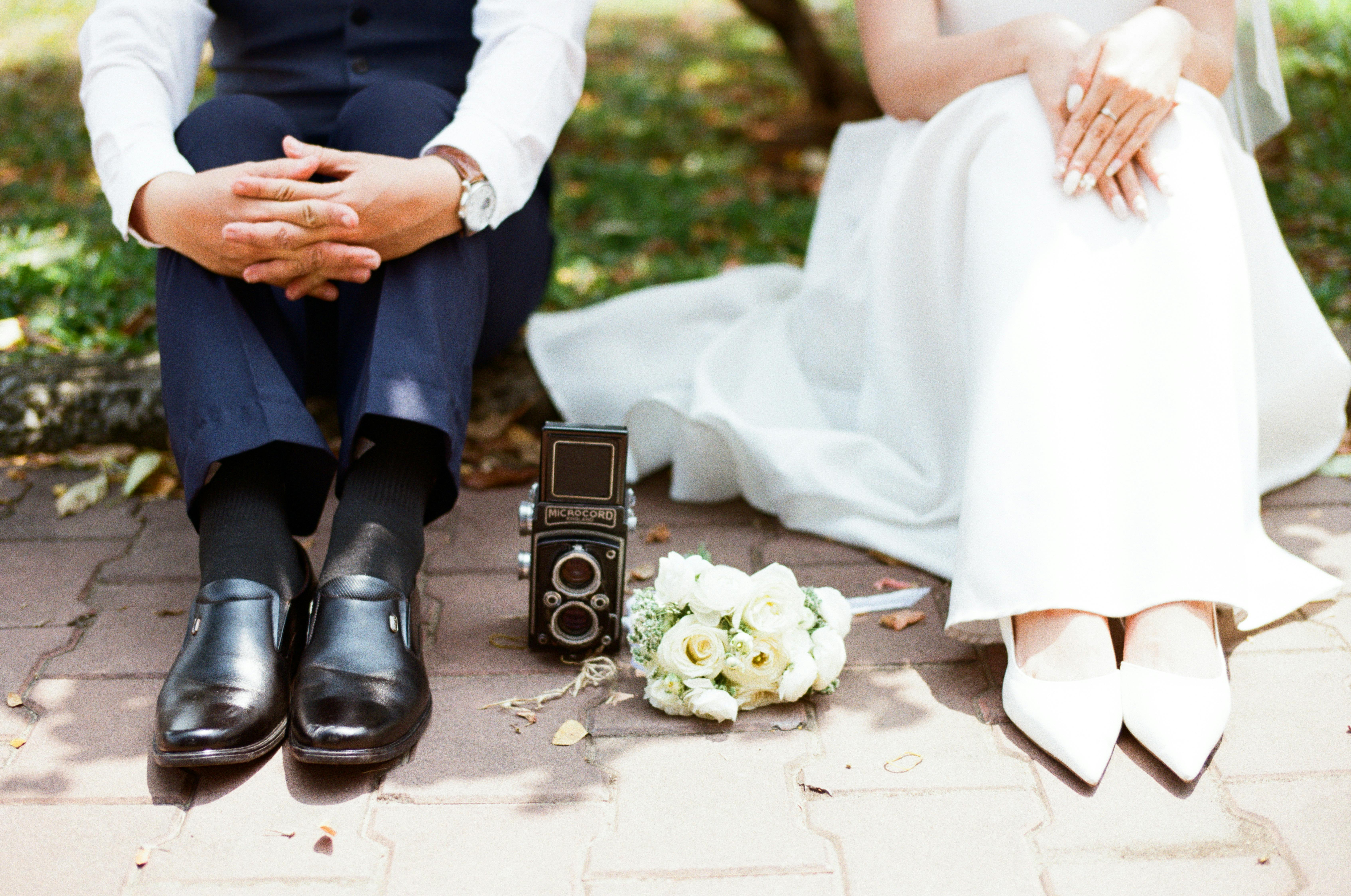
In the weeks after a wedding, a couple is still living inside it while everyone else has moved on. The gap produces a small, recognisable social awkwardness.
The couple experienced a different event
For the couple, the wedding was the end of a year of decisions, each of which carries a story about what nearly happened instead.
Guests experienced a good day out. They have no knowledge of the alternatives considered, the near-misses, or what anything cost.
This is why detail about suppliers and logistics lands flat. The information is genuinely interesting only to someone who followed the decisions.
Other people planning weddings are the exception
Anyone currently planning wants exactly the material everyone else is indifferent to: which suppliers, what worked, what would be done differently.
For them the account is useful rather than nostalgic, and the practical detail is the whole point of the conversation.
Recognising which audience is present resolves most of the awkwardness, because the same story is welcome in one case and tedious in the other.
Photographs work better than description
A short selection shown to someone who was not there conveys more than an account of the day, and it takes a fraction of the time.
The limit is volume. Interest falls away rapidly after a small number of images, and the couple's own threshold is much higher than anyone else's.
The same applies to social posting. A steady stream over months reads differently from a single set shared once.
Guests have their own version
People who attended have memories the couple does not, since they were watching from outside and were present for parts the couple missed.
Asking rather than telling produces the better conversation, and it is how couples recover the parts of their own day they did not see.
It also reverses the dynamic. The guest becomes the person with the interesting material, which is usually what makes them want to talk about it.
The subject fades and that is not a loss
Within a few months the wedding stops being current, and the couple stops reaching for it as a topic without deciding to.
What remains is a set of references that surface occasionally, which is the normal long-term form of any significant shared event.
The photographs and the film exist for the same reason, holding the detail so that nobody has to carry it in conversation indefinitely.
Questions readers ask
How long do we have to send thank-you notes?
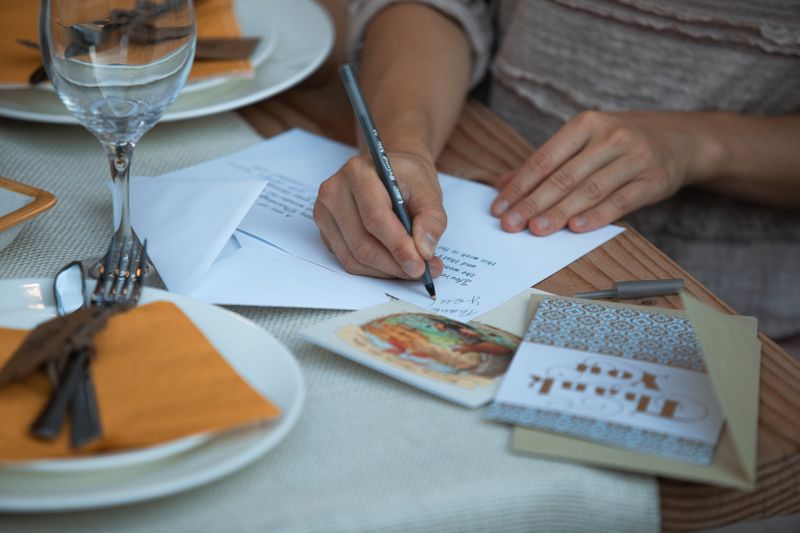
Conventions vary and none of them are enforced. Sooner is better because the details are fresher, but a note several months late is still very welcome.
Do we need to thank people who gave nothing?
Anyone who travelled a long way, helped in the planning or took on a role is worth thanking. Attendance often costs more than a gift, particularly for guests coming from abroad.
Also by Aparna Kulkarni
- A Run Sheet Is Not a Schedule, and the Difference Shows on the DayPlanning & Timeline
- Planner, Coordinator or Venue Manager: Three Jobs People Keep ConfusingPlanning & Timeline
- Decision Fatigue Is the Real Cost of Planning a WeddingPlanning & Timeline
- The Planning Document That Replaces Nineteen Browser TabsPlanning & Timeline