After the Wedding
Merging Two Households After the Wedding
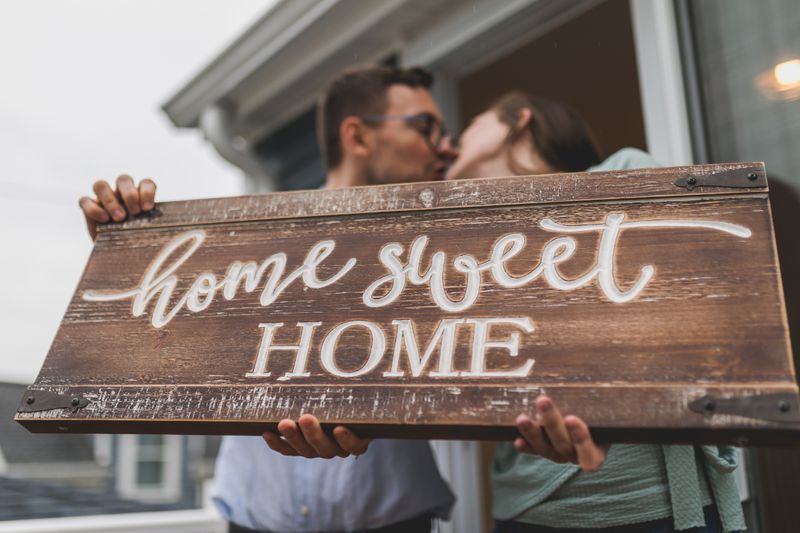
Combining homes surfaces duplicates, mismatched habits and objects with histories attached. The difficulty is rarely storage space and usually the negotiation over what goes.

Couples who did not live together before marrying, and many who did, face a merge afterwards. It is a bigger task than it appears on a list.
Duplication is the easy part
Two households contain two of most functional things, and deciding between two kettles is straightforward because the criterion is condition.
The volume is still substantial. Kitchens, tools, linen and furniture add up to more than either home was sized for.
Dealing with it early matters, because unresolved duplicates go into storage and stay there, quietly costing money or filling the space that was needed.
Objects with history are the difficult part
Items inherited from family, kept from a previous home, or attached to a period of someone's life are not judged on function.
Disagreements about these are rarely about the object. They are about whether one person's past is being kept and the other's removed.
Naming that explicitly changes the conversation, because the actual question is representation in a shared space rather than whether a particular chair is any good.
Habits collide before possessions do
Two people who have run their own homes have settled routines about tidiness, noise, temperature, meals and how mess is dealt with.
Those routines were invisible while each person lived alone, so neither has ever had to justify them or even articulate them.
Most friction in the first months comes from here rather than from anything financial, and it resolves through explicit agreement rather than through adjustment by osmosis.
Wedding gifts arrive into the middle of it
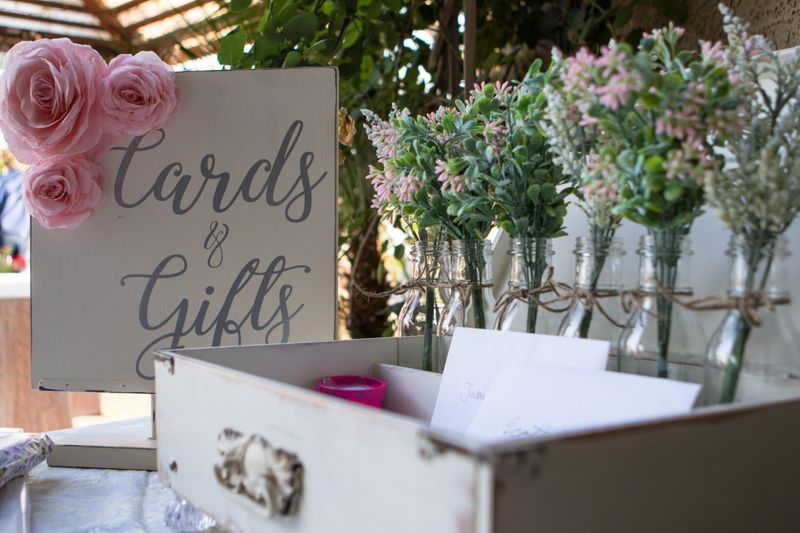
Gifts often duplicate exactly what the merge has already produced, since registries assume a household being furnished from nothing.
Where the couple already owns everything, the useful registries are the ones that skip goods entirely in favour of experiences or contributions.
Where gifts do duplicate, keeping the new item and passing on the old is usually simpler than the reverse, particularly if the giver will visit.
The paperwork of a shared address
Merging homes triggers a set of administrative changes: utilities, insurance, deliveries, electoral registration and anything tied to a single occupant.
Insurance is the one most often missed, since contents cover written for one person's belongings may not reflect a combined household's value.
Doing these in one sitting is far less work than doing them as each is discovered, which is how they otherwise get handled over several months.
Questions readers ask
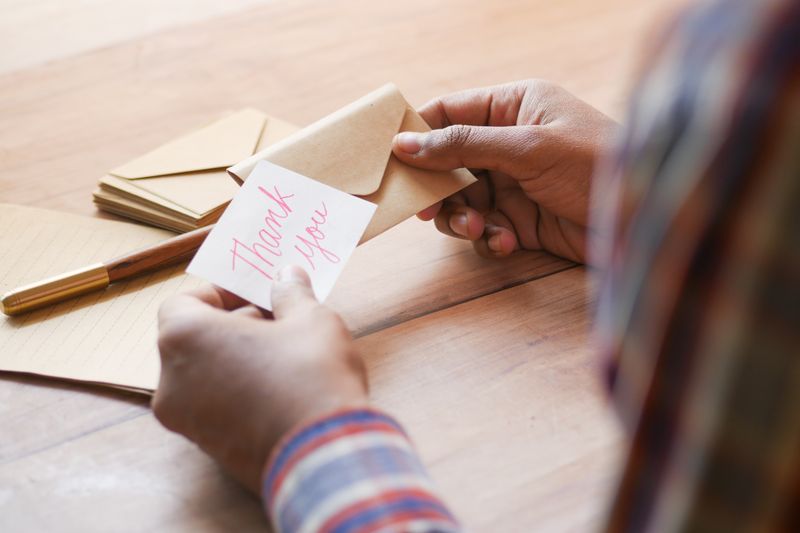
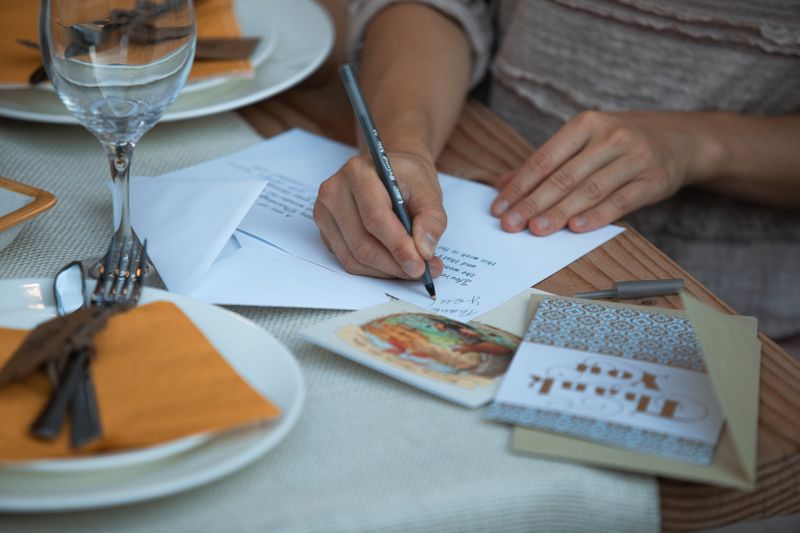
How long do we have to send thank-you notes?
Conventions vary and none of them are enforced. Sooner is better because the details are fresher, but a note several months late is still very welcome.
Do we need to thank people who gave nothing?
Anyone who travelled a long way, helped in the planning or took on a role is worth thanking. Attendance often costs more than a gift, particularly for guests coming from abroad.
Also by Aparna Kulkarni
- A Run Sheet Is Not a Schedule, and the Difference Shows on the DayPlanning & Timeline
- Planner, Coordinator or Venue Manager: Three Jobs People Keep ConfusingPlanning & Timeline
- Decision Fatigue Is the Real Cost of Planning a WeddingPlanning & Timeline
- The Planning Document That Replaces Nineteen Browser TabsPlanning & Timeline