After the Wedding
Cake, Cards and the Keepsakes Worth Keeping
Most wedding keepsakes are kept by accident and degrade in storage, so deciding early what is worth preserving saves both the boxes and the objects inside them.
A wedding produces a surprising volume of physical objects, and almost all of it is boxed by default rather than by decision. A year later the box is unopened and the contents are worse.
Paper degrades faster than people expect
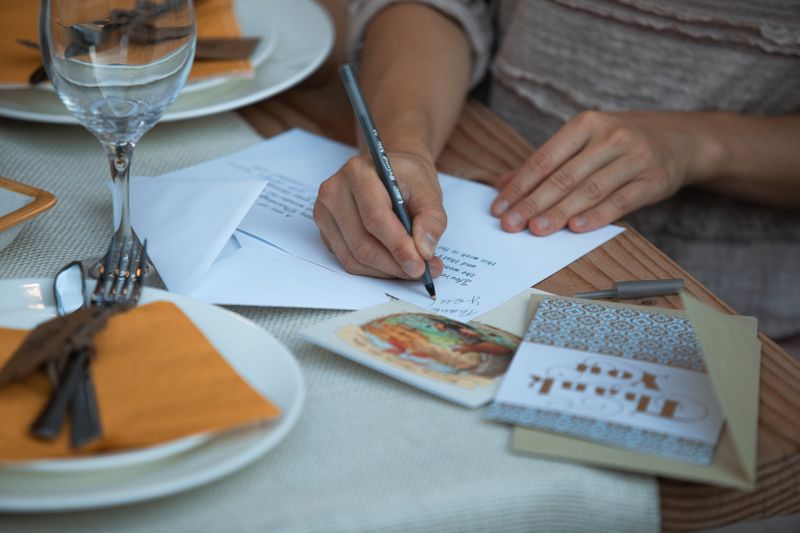
Cards, place cards, programs and menus are usually printed on stock that was chosen for how it looks rather than how long it lasts.
Acidic paper yellows and becomes brittle from the inside, and storing it pressed against other acidic paper accelerates the process. Attics and basements make it faster still, because both swing between temperature and humidity extremes.
An interior closet is a better environment than either, and a box that is not sealed airtight allows moisture to equalize rather than condense.
The frozen cake tier rarely survives its own tradition
The custom of saving the top tier for a first anniversary predates modern freezers and modern cake. It survives on sentiment more than on results.
Buttercream and fondant respond badly to a year of freezer air, and the usual failure is not spoilage but flavor loss and freezer burn from insufficient wrapping.
Couples who want the ritual without the disappointment often order a small fresh cake for the anniversary instead, which keeps the moment and drops the archaeology.
Flowers can be preserved, but not casually
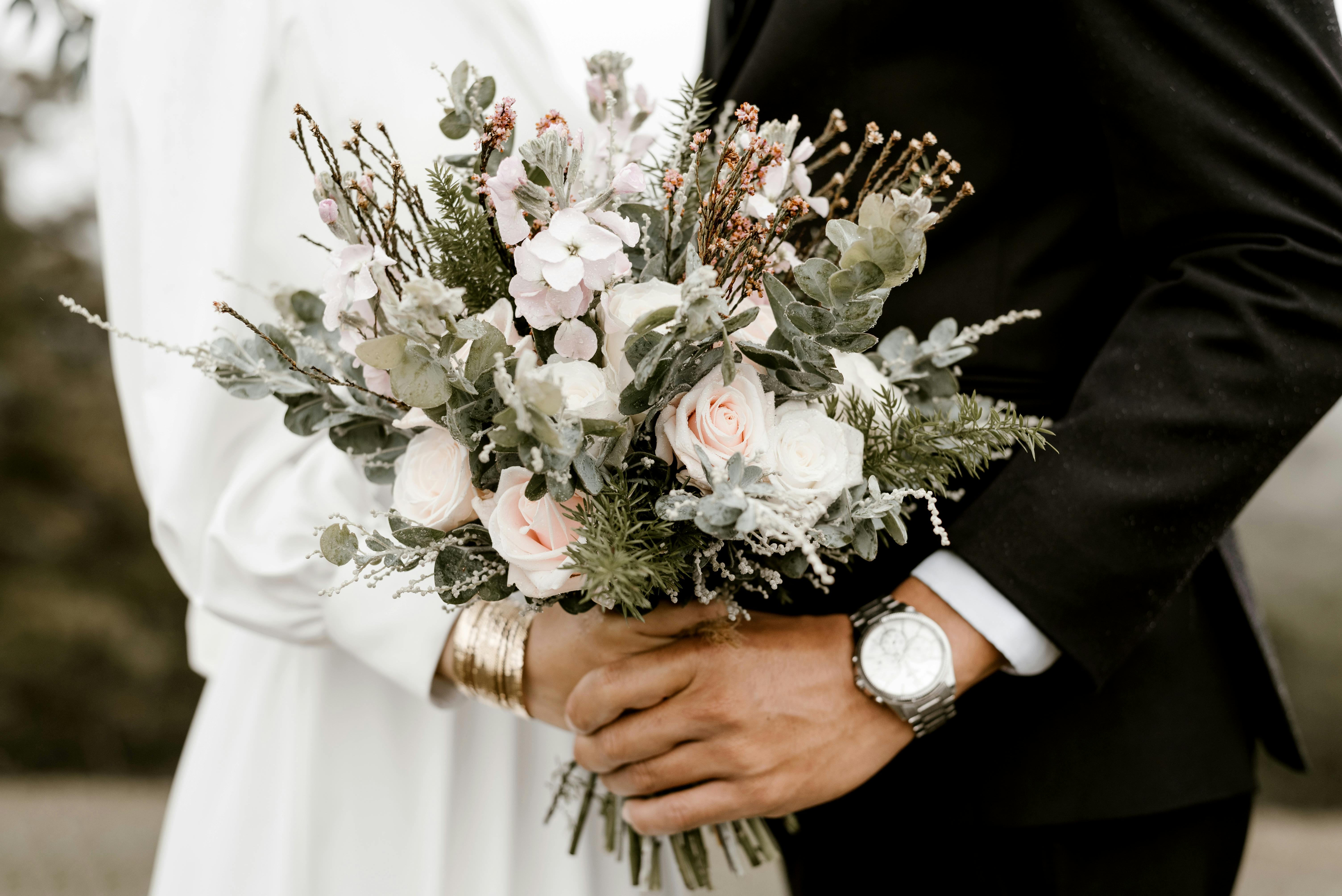
Pressing and drying both work, and both change the object. Colors shift, whites brown, and the result is a record of the bouquet rather than the bouquet.
Preservation services exist and work to a schedule, because fresh material has to be handled within days. That means arranging it before the wedding, not after the honeymoon.
Handing that errand to somebody specific on the day is the part that actually determines whether it happens, since the couple will not be doing it themselves.
Decide what the keepsake is for
The objects worth keeping are the ones that carry information nobody else recorded. Handwriting is the clearest example.
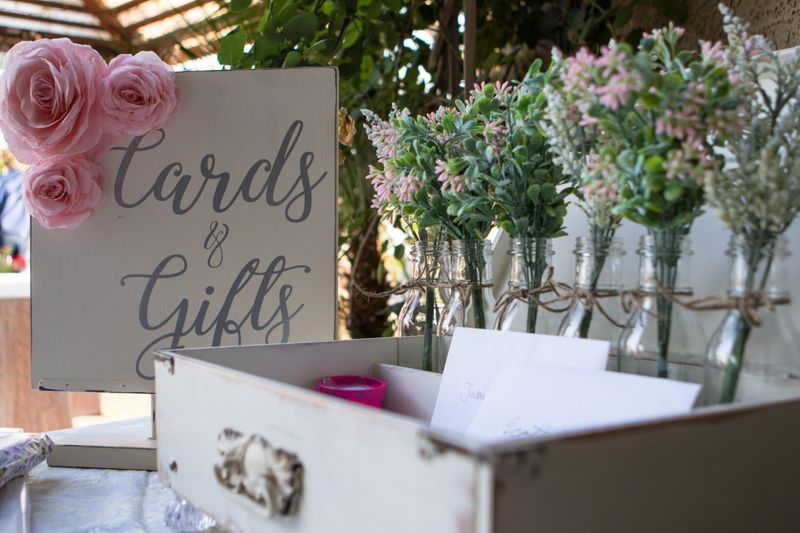
A card in a grandparent's hand, a signed guest book, the written vows, a hand-drawn seating chart: these are irreplaceable in a way that a rented centerpiece is not.
Everything else is documentable. A photograph of the tablescape occupies no shelf and answers the same question in ten years.
One box, chosen on purpose
Limiting the physical archive to a single container forces the selection, which is the step most couples skip when they have unlimited storage.
Labeling it, and writing a short note about what each item is and who it came from, converts a pile of objects into something a future reader can understand.
Without that note, the meaning fades faster than the paper does, and the box becomes a set of anonymous cards nobody feels able to throw away.
Questions readers ask
How long do we have to send thank-you notes?
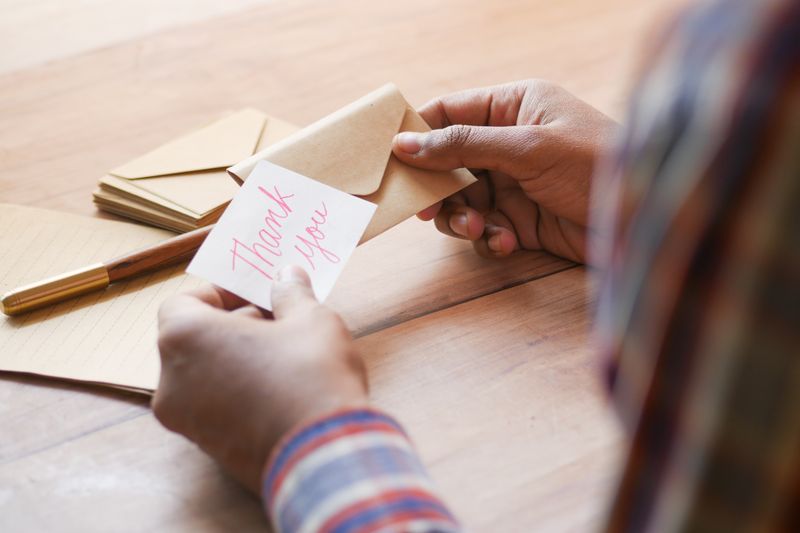
Conventions vary and none of them are enforced. Sooner is better because the details are fresher, but a note several months late is still very welcome.
Do we need to thank people who gave nothing?
Anyone who travelled a long way, helped in the planning or took on a role is worth thanking. Attendance often costs more than a gift, particularly for guests coming from abroad.
Also by Aparna Kulkarni
- A Run Sheet Is Not a Schedule, and the Difference Shows on the DayPlanning & Timeline
- Planner, Coordinator or Venue Manager: Three Jobs People Keep ConfusingPlanning & Timeline
- Decision Fatigue Is the Real Cost of Planning a WeddingPlanning & Timeline
- The Planning Document That Replaces Nineteen Browser TabsPlanning & Timeline